What Is an Olympic Pool Filtration System?
The Olympic pool filtration system is a technical infrastructure that ensures continuous cleaning of pool water. Through this system, dirt, particles, and microorganisms in the pool are filtered, maintaining hygienic water conditions.
A filtration system does not only provide physical cleaning; it also helps maintain proper water chemistry. Continuous water circulation ensures that every part of the pool is evenly treated.
In large-volume Olympic pools, the filtration system must be highly powerful. These pools are intensively used by both athletes and training groups, so filtration capacity must be carefully calculated to maintain water quality.
Main Components of an Olympic Pool Filtration System
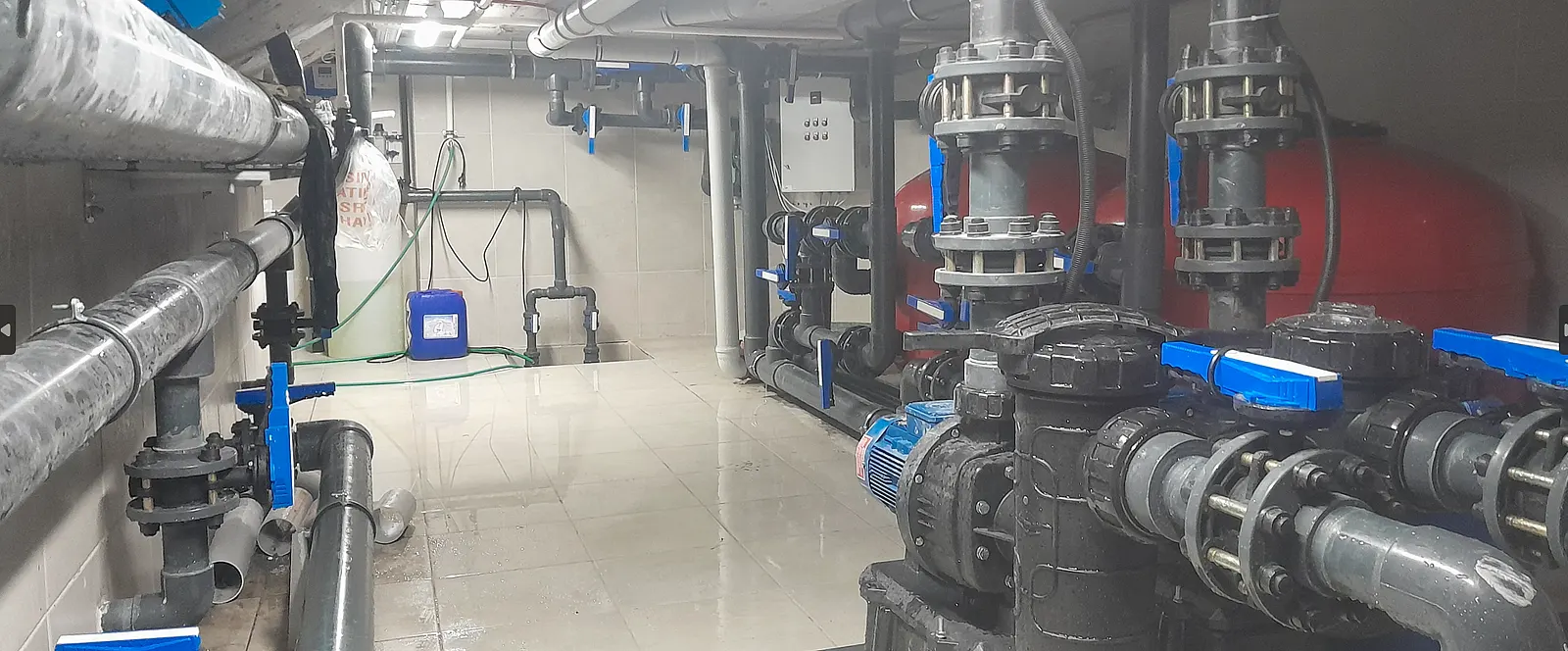
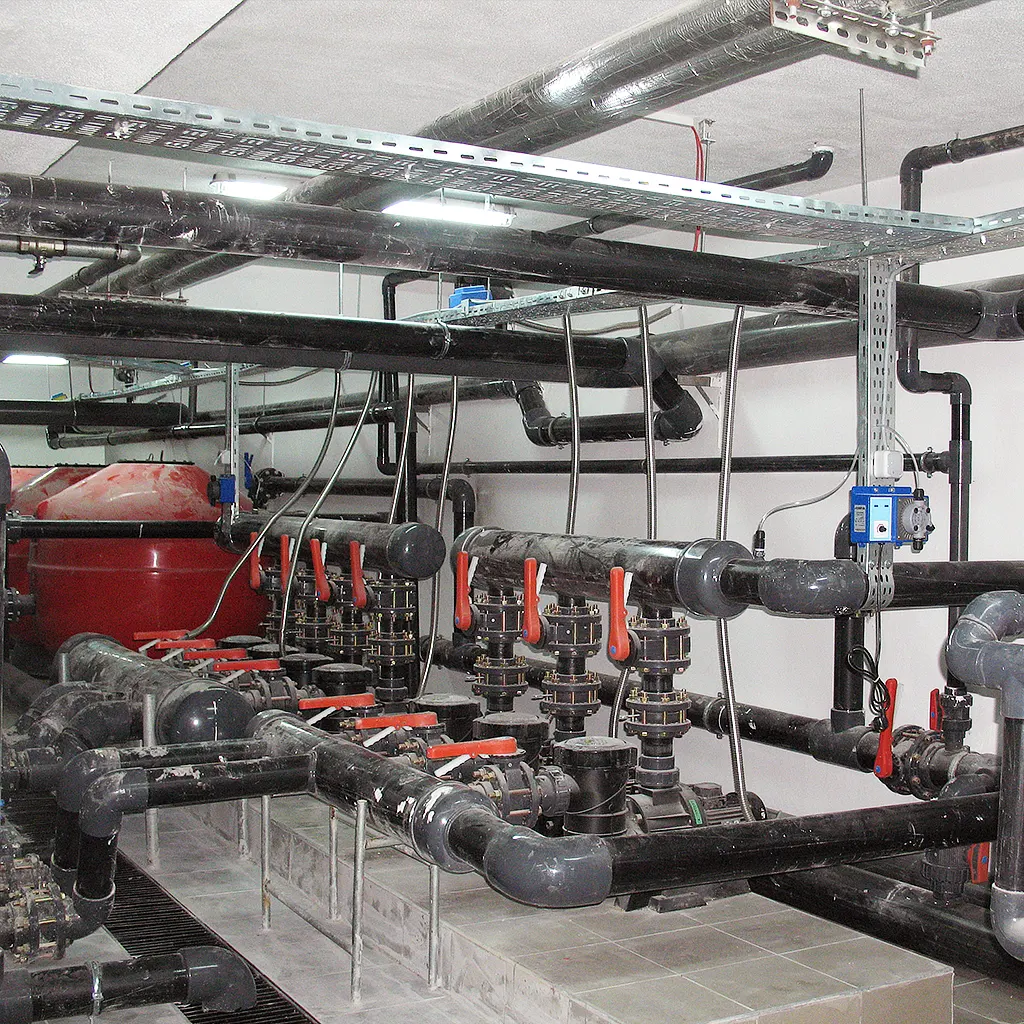
A professional Olympic pool filtration system consists of multiple components working together to ensure continuous water purification.
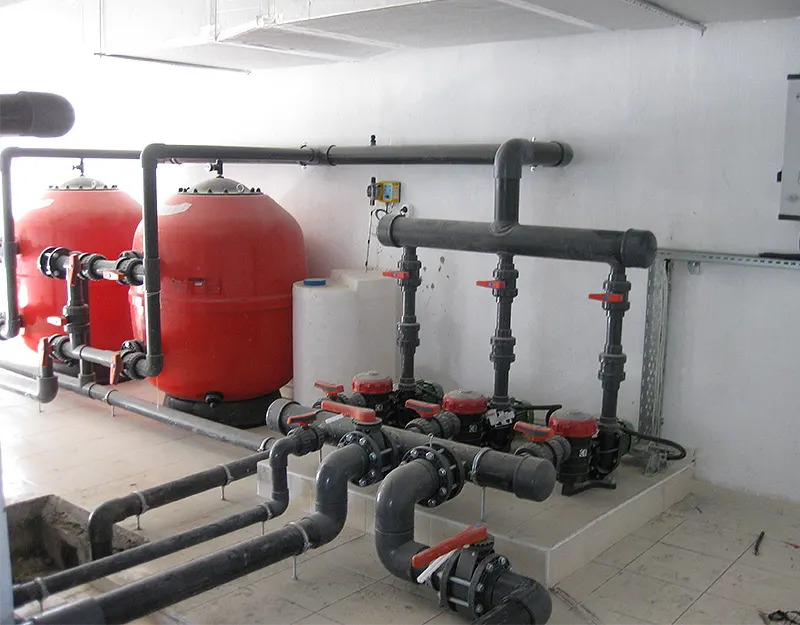
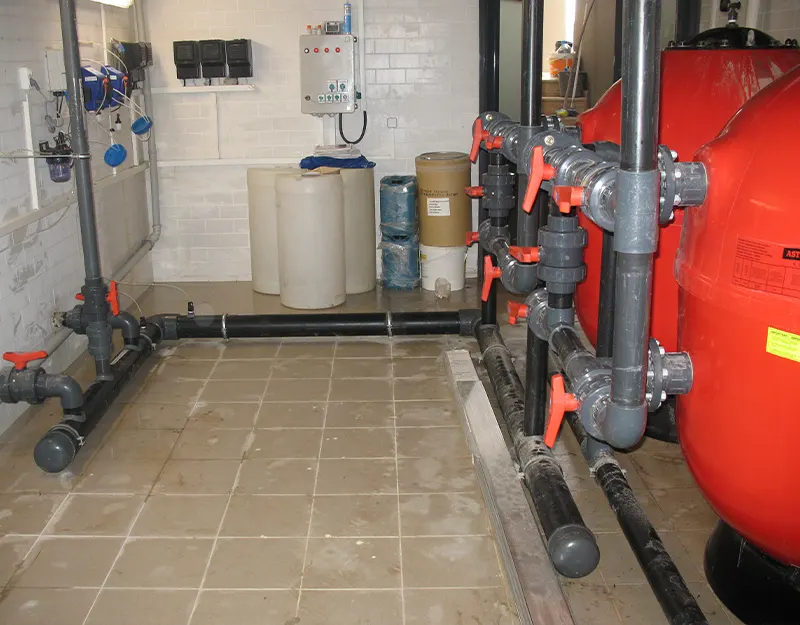
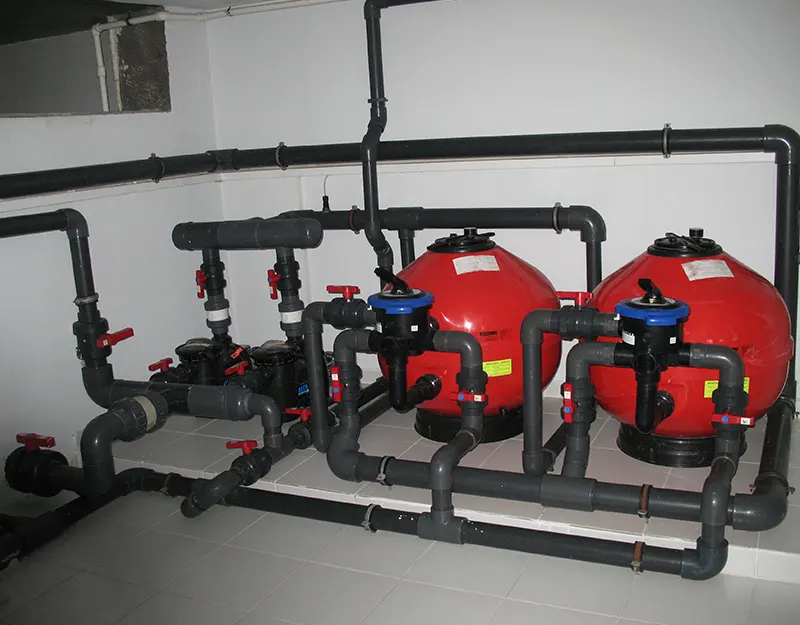
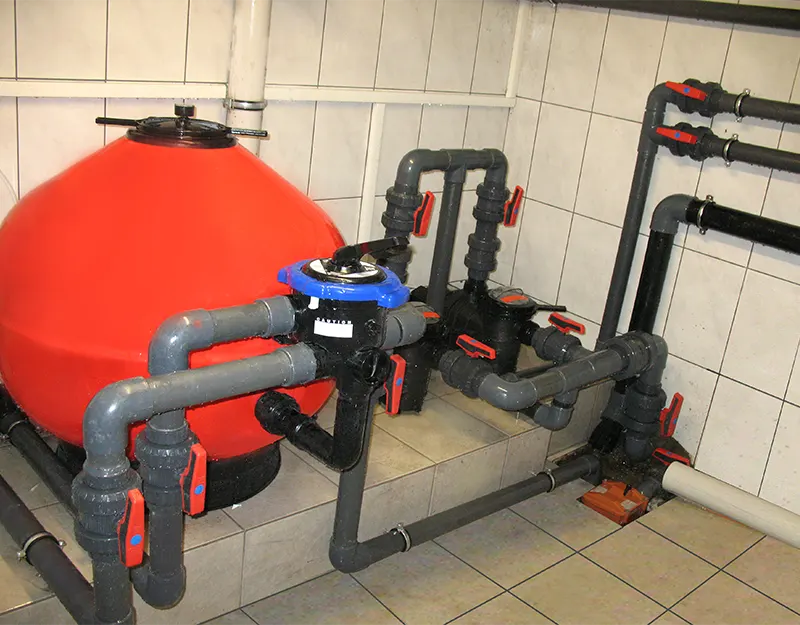
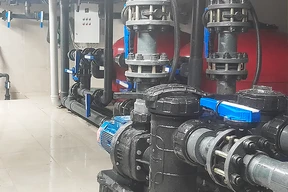
Main filtration system equipment
- Circulation pumps
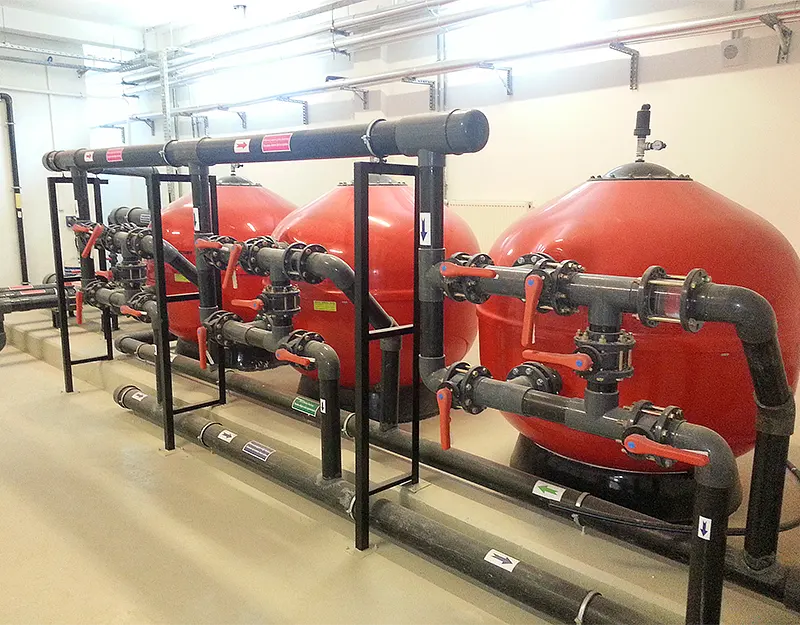
- Sand filters
- Balance tank
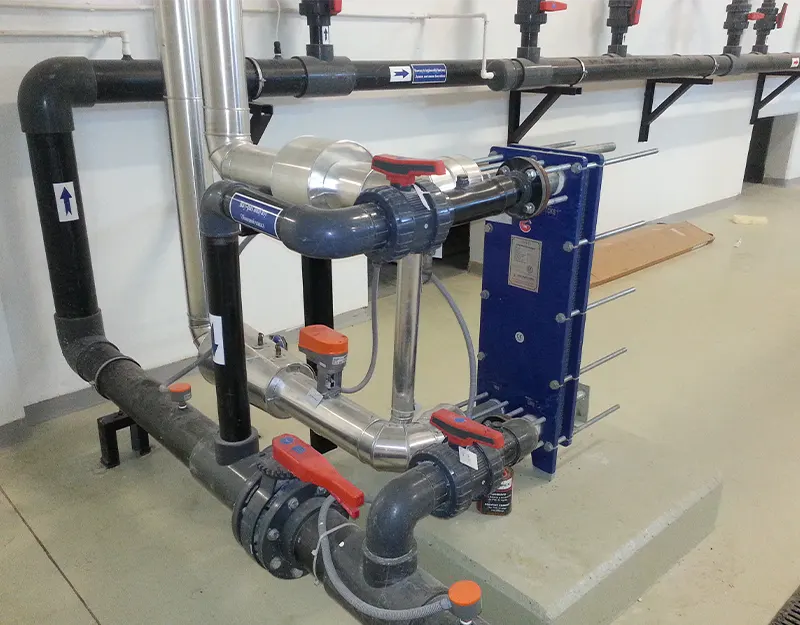
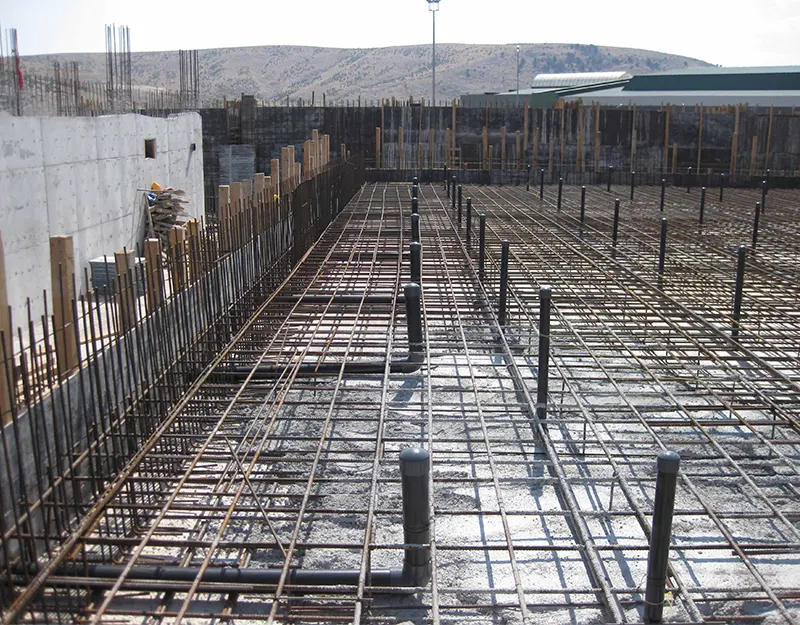
- Piping and valve system
- Chemical dosing systems
- Automation and control panels
All these components work together to continuously clean the pool water. If the filtration system is not properly designed, water quality can deteriorate rapidly.
How Does Water Circulation Work in Olympic Pools?
The core principle of a filtration system is water circulation. Pool water is continuously drawn by pumps and directed to the filtration system.
This process generally follows these steps:
- Surface contaminants reach overflow channels
- Water is directed to the balance tank
- Circulation pumps send water to filters
- Filtered water is returned to the pool
This cycle operates continuously, ensuring that all pool water passes through the filtration system within specific time intervals.
The Role of the Balance Tank in Filtration Systems
In Olympic swimming pools, the balance tank is a critical component. In overflow pool systems, surface water is directed to the balance tank through overflow channels.
The main functions of the balance tank are:
- Maintaining a constant water level
- Storing overflow water
- Supplying stable water flow to the filtration system
During heavy usage, swimmers entering the pool increase the water level. The balance tank absorbs this excess water and ensures system stability.
How Do Sand Filters Work?
Sand filters are the most commonly used filtration method in Olympic pools. They mechanically remove particulate matter from the water.
The working principle of sand filters is simple. Water enters from the top of the filter tank and passes through the filter media, exiting from the bottom. During this process, impurities are trapped within the sand layer.
The structure of the filter media is designed to capture particles effectively. The filtered water is then returned to the pool.
Advantages of sand filters
- High filtration capacity
- Long service life
- Easy maintenance
- Low operating cost
How Is Filtration Capacity Calculated?
Capacity calculation is critical in Olympic pool filtration systems. The entire pool water must be filtered within a specific period.
This period is called the circulation time. In Olympic swimming pools, it is typically designed to be around 4 hours.
For example, a 2,500 m³ Olympic pool requires a filtration system capable of processing approximately 600–700 m³ of water per hour.
These calculations must also consider pool usage intensity and local regulations.
Chemical Treatment in Olympic Pools
While filtration systems provide physical cleaning, chemical treatment is required to eliminate microorganisms completely.
The most commonly used disinfection method in pools is chlorination. Chlorine eliminates bacteria, viruses, and other harmful microorganisms.
Pool chemical systems
- Automatic chlorine dosing system
- pH control system
- Redox control system
These systems operate automatically to maintain balanced water chemistry at all times.
- pH level
- Chlorine level
- Water temperature
- Circulation flow rate
This ensures that pool operations become both safer and more efficient.
Importance of Olympic Pool Filtration Systems
In professional sports facilities, water quality is not only an aesthetic concern. It is also critical for health and athletic performance.
An inadequate filtration system can lead to cloudy water, bacterial growth, and ultimately make the pool unusable. Therefore, a strong filtration infrastructure is essential in Olympic pools.
A properly designed filtration system maintains water quality, reduces maintenance costs, and improves the overall user experience.
Conclusion
The Olympic pool filtration system is the core infrastructure that ensures large-volume swimming pools remain clean and hygienic. Circulation pumps, sand filters, balance tanks, and chemical dosing systems work together to continuously purify the water.
In a professional Olympic pool project, the filtration system must be properly planned and designed according to the pool volume. This ensures a safe and healthy swimming environment for both athletes and users.
A filtration system designed with accurate engineering calculations enables Olympic pools to operate efficiently for many years.