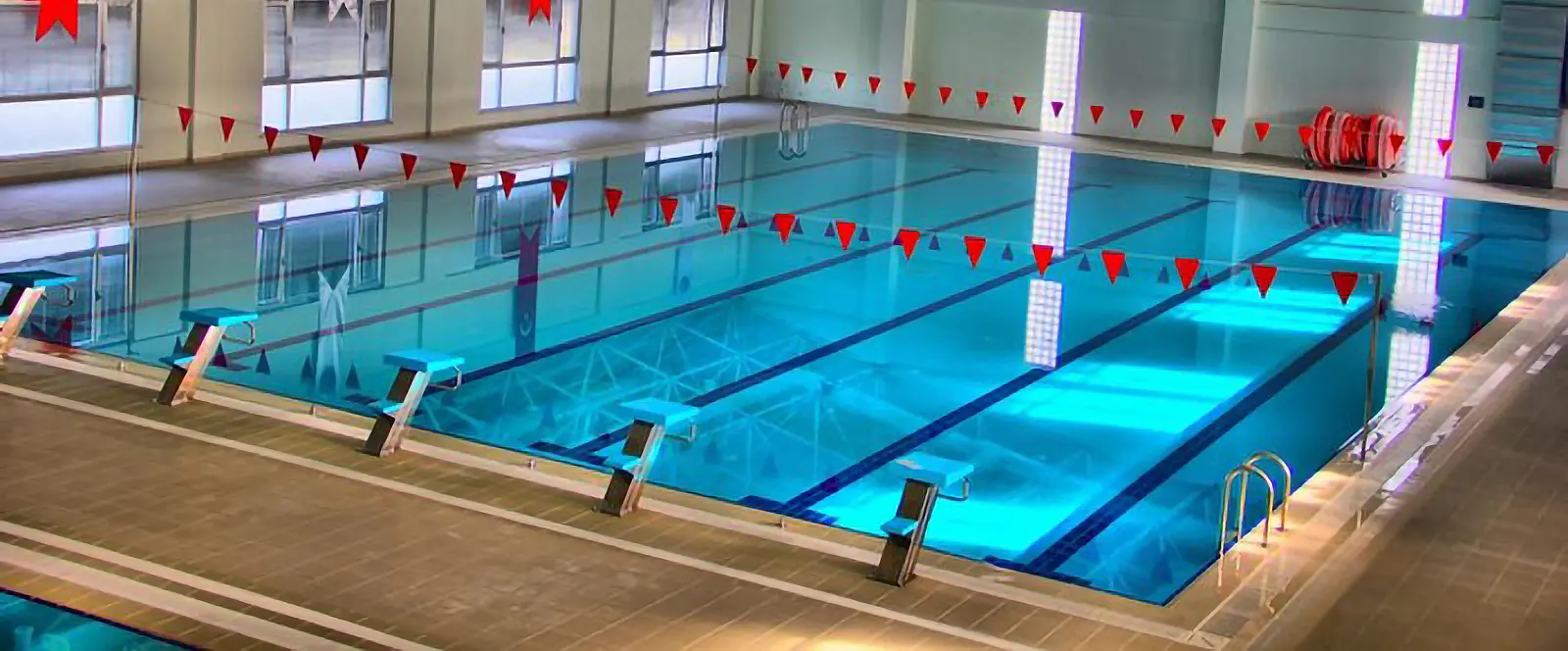
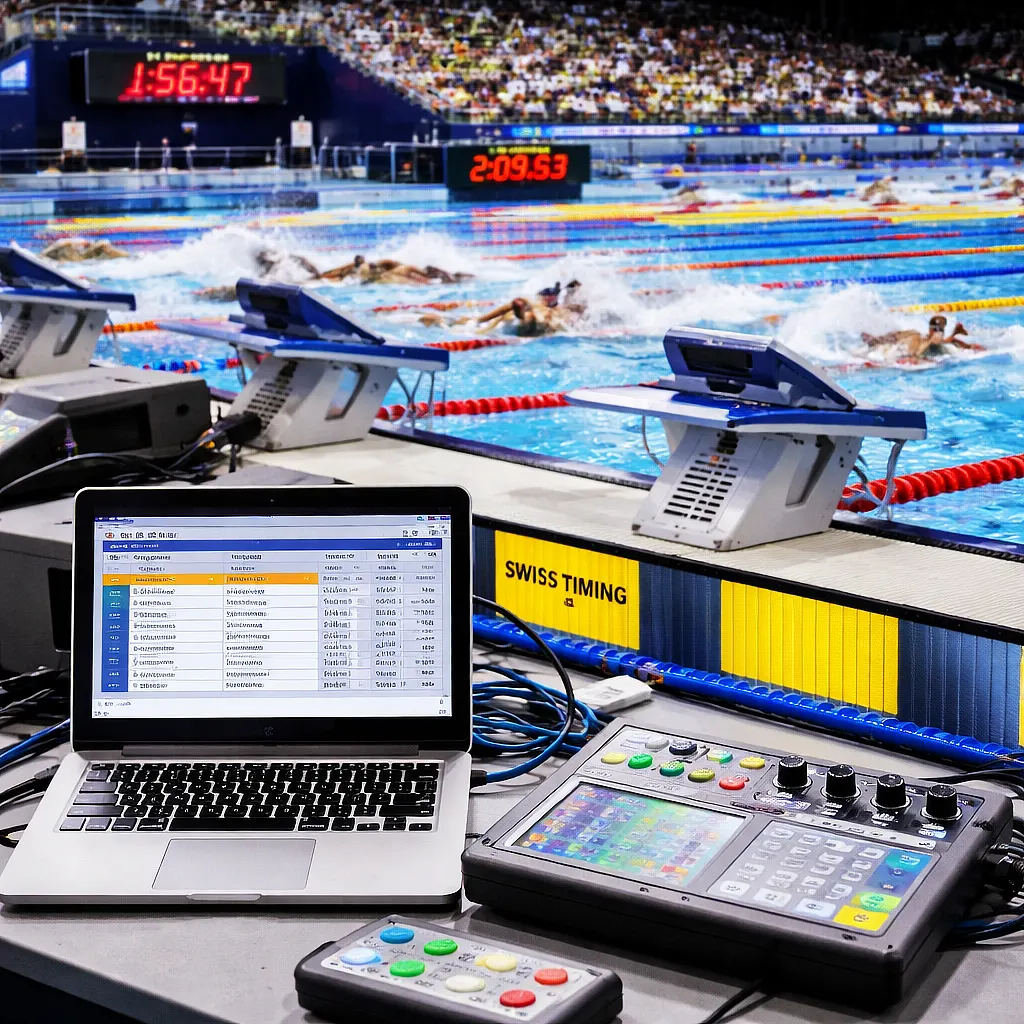
The Olympic pool timing system used in professional swimming competitions
is an automatic timing infrastructure that operates with touchpad panels, lane box units
and central control software. These systems measure race results with millisecond
precision and ensure the implementation of international competition standards.
In modern swimming competitions, accurate and reliable measurement of swimmers’ times
is extremely important. The Olympic pool timing system used in professional
race organizations consists of advanced electronic technologies capable of measuring
athletes’ performance with millisecond precision. These systems do not only measure time;
they also manage race control, data recording, result publishing and the display of results
on scoreboard screens.
Today, the swimming pool timing system used in international swimming
competitions works together with touchpad panels, lane box units, start systems and
central control software. Thanks to these technologies, race results are measured
automatically without the need for manual intervention and are recorded with high accuracy.
These technologies used in competition pools are usually integrated with
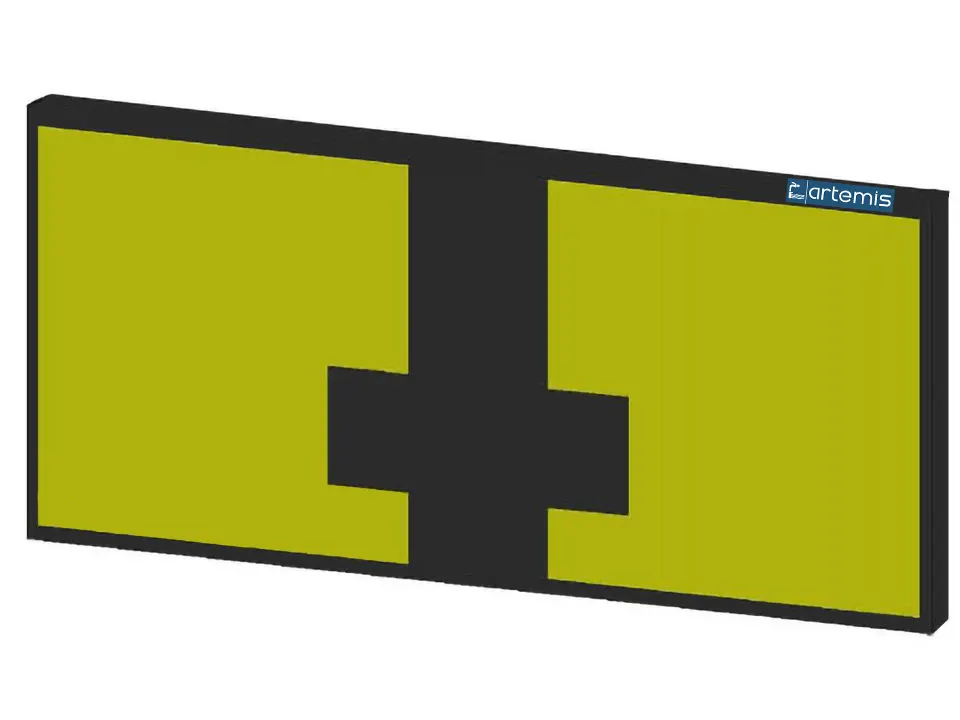
scoreboard systems,
allowing race results to be displayed instantly to both spectators and athletes.
Timing Technology in Olympic Swimming Pools
In professional swimming competitions, advanced Olympic pool timing system
technologies are used to measure swimmers’ race times accurately. These systems work together
with touchpad panels, lane box units and start devices to determine race results with
millisecond precision.
The infrastructure used in modern competition pools is also integrated with
scoreboard systems,
allowing race results to be displayed instantly to spectators. This integration ensures
the highest level of accuracy and efficient race management in swimming competitions.
Why Is Time Measurement Important in Swimming Competitions?
In swimming, performance differences are often determined by extremely small time intervals.
Milliseconds can decide the result of a race. For this reason, timing systems used in professional
competition organizations must be extremely precise and reliable.
Although manual stopwatch methods were widely used in the past, international competition
standards today rely entirely on automatic timing systems. These systems measure swimmers’
performance independently of human error and significantly increase the reliability of race results.
Millisecond-precision measurement
Automatic data recording
Instant display of race results
Prevention of referee timing errors
Compliance with international competition standards
Thanks to these advantages, the Olympic pool timing system has become an essential
component of modern swimming competition organizations.
Components of an Olympic Pool Timing System
A modern Olympic pool timing system
consists of several electronic components working together. The main objective of these systems is
to accurately measure the time from the start to the finish of a race and record the results in the
central control system.
Professional timing systems used in competitions typically include the following core components:
Touchpad panels
Lane box control units
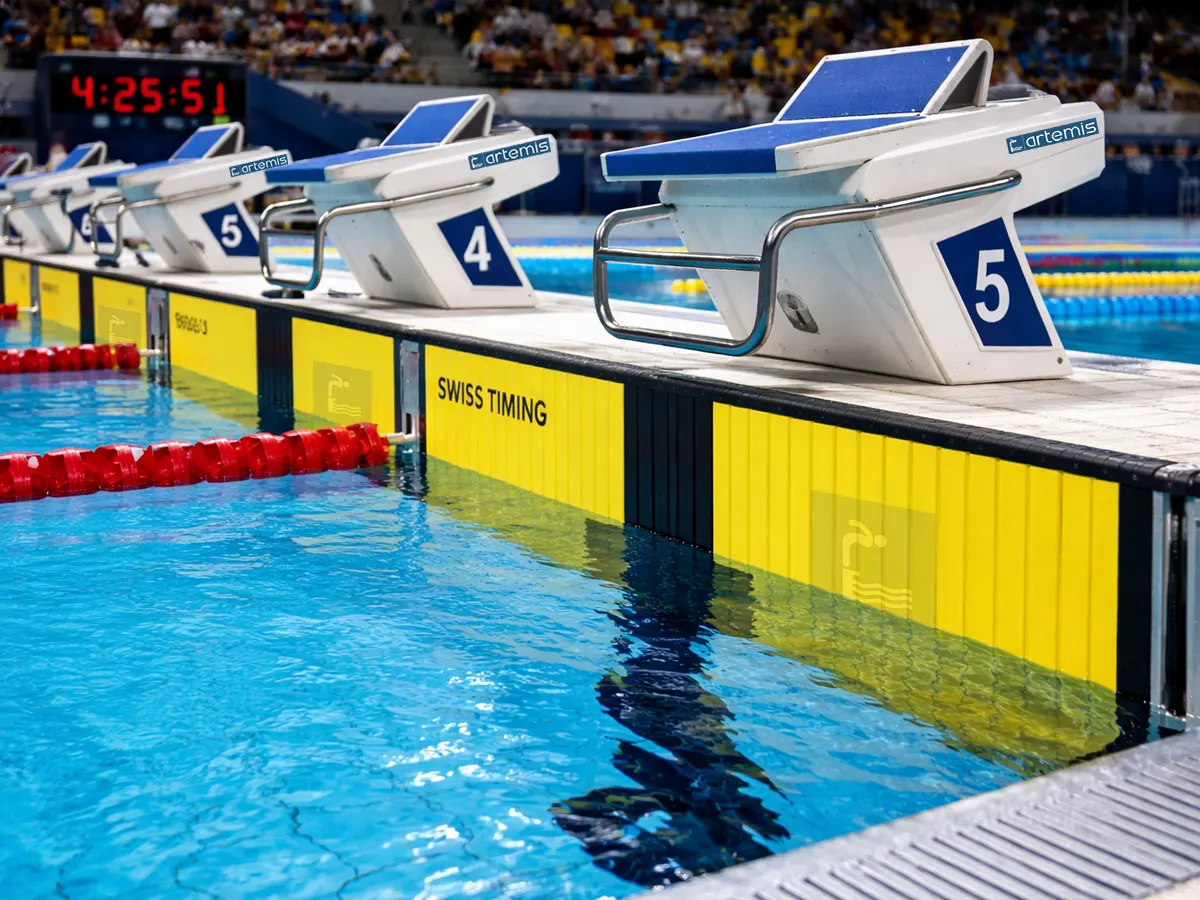
Start system
Central control computer
Race management software
Scoreboard displays
Touchpad System
Touchpad panels are one of the most critical timing devices used in swimming competitions.
These panels are installed on the finish wall of the pool and send a signal to the timing
system when swimmers touch them.
The touchpad system automatically records the finishing time the moment the swimmer touches
the wall. This provides significantly higher accuracy compared to manual timing methods.
Touchpad panels used in international competitions are typically manufactured according to
FINA standards and operate with high-precision sensor technology.
Lane Box Unit
Lane box devices are control units that operate separately for each lane.
These units enable data communication between the start system, touchpad panel
and the central control computer.
Lane box systems are used to record lane-based data of swimmers during the race.
Each lane time is measured individually and analyzed within the central system.
Start System
The start system is the electronic starting equipment that controls the beginning
of swimming competitions. When the start command is given, the timing system
automatically begins measuring time.
Modern start systems usually operate with an audible signal and flash light.
This ensures that all swimmers start the race simultaneously and the timing
measurement begins in perfect synchronization.
Central Control System
The central control unit is the main system where all timing equipment is managed.
Data received from touchpad panels and lane box units are collected here,
and race results are automatically calculated.
These systems also store race results in a database and generate reports
for competition organizers.
Timing Technologies Used in Olympic Swimming Pools
Timing technologies used in international swimming competitions are highly advanced.
Modern systems operate with high-precision electronic sensors and software infrastructures,
ensuring that race results are recorded accurately.
Timing systems used in
Olympic pools
generally include the following technologies:
Automatic timing systems
Touchpad sensor technology
LED scoreboard displays
Race management software
Data recording systems
These technologies work together to provide high accuracy and reliability
in professional competition organizations.
Integration with Scoreboard Systems
Timing systems used in swimming competitions are usually integrated with
scoreboard systems. This allows race results to be displayed
instantly to both spectators and athletes.
Modern scoreboard systems operating with LED display technology can present
the following information:
Swimmer times
Lane results
Race rankings
Record information
Race duration
These systems make race organizations more professional and easier to monitor.
International Competition Standards
Timing systems used in Olympic swimming competitions must comply with
the standards determined by international sports federations.
These standards are established to ensure the reliability of race results
and to create a fair competitive environment for athletes.
Timing systems used in international swimming competitions are designed
and implemented according to specific technical standards. Automatic
timing technologies used especially in Olympic pools are based on an
integrated infrastructure where touchpad panels, start systems and race
management software work together. Detailed information about the
technical rules and competition standards for these systems can be found
on the official website of the
World Aquatics
federation and in the technical documentation published by international
sports organizations. For general information about the organization
structure and race formats of Olympic swimming competitions, you can also
visit the
Olympic Games swimming competitions
page.
Systems Used in Modern Competition Pools
Timing systems used in modern competition pools are not only designed to
measure time but also to manage the entire race organization.
Today, competition pool timing system technologies used in professional swimming competitions significantly improve the reliability and quality of sports organizations.
Conclusion
The Olympic pool timing system used in swimming competitions is one of the most important technological infrastructures of modern sports organizations. These systems measure athletes’ performances with millisecond precision and ensure that race results are determined accurately and reliably.
Technologies that operate together with touchpad panels, lane box units, start systems and central control software have become an essential component of professional race organizations.
Another important component of these systems is the
swimming pool scoreboard systems
that enable race results to be displayed instantly.
Our Blog Posts
Up-to-date blog articles about our areas of expertise and application solutions.
As Artemis Pool & Fountain Systems, you can access detailed information about our products, applications, and fields of activity through our E-Catalog. Our engineering-focused solutions and professional services in compliance with international standards are summarized in this catalog.