To prepare a swimming pool in a healthy and proper way before each season, various cleaning and disinfection chemicals are required. For this reason, receiving proper training on the use of cleaning and disinfection chemicals or consulting a professional company is the most appropriate approach.
Both for health and aesthetic reasons, pool maintenance and periodic chemical control are among the most critical aspects that require attention. During the season, pool water must be checked regularly on a daily basis to maintain the required water quality parameters. The most essential materials that ensure this balance are pool chemicals. There are many different types of pool chemicals, each designed for specific purposes.
It should never be forgotten that even if a swimming pool system is built in accordance with standards and equipped with high-quality components, improper operation will inevitably result in unhealthy pool water.
Pool chemicals commonly used during the swimming season include chlorine, pH reducers, algaecides, flocculants, clarifiers, foot disinfectants, surface cleaners, ion binders, and winter maintenance chemicals.
What are the procedures to be carried out starting from pre-season pool preparation and continuing throughout the swimming season? Let us examine these steps in order.
Discover the Chemical Calculation Tool
Easily calculate the required initial filling, daily, and monthly chemical amounts for your pool, and keep your water’s pH, chlorine, and alkalinity levels perfectly balanced. With this tool, you can determine the correct chemical ratios based on your pool type, volume, and usage frequency—maintaining excellent water quality while reducing unnecessary chemical consumption and overall costs.
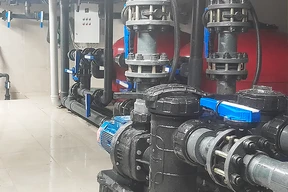
Before putting the pool into operation prior to the season, the maintenance and inspection of all pool equipment must be carried out as the first step.
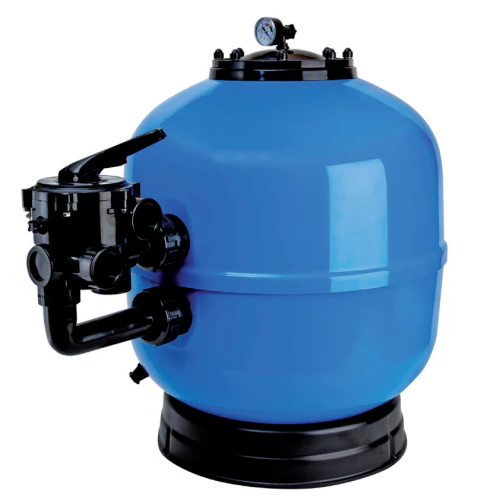
Sand Filter
The filtration sand inside the sand filter should be inspected carefully. Is the sand suitable and ready for the new season? Are the granules of the correct size and cleanliness? Do any of the connection fittings on the filter show signs of water leakage? Is the pressure gauge functioning properly? All these factors must be checked, and components should be replaced if necessary.
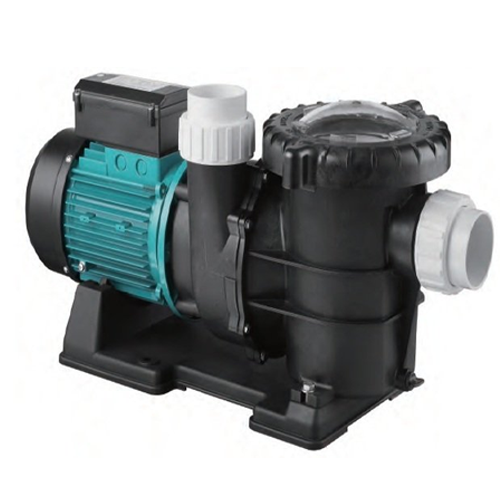
Filtration Pumps
The pre-filter strainer basket of the filtration pump should be cleaned regularly. Connection fittings must be inspected and replaced immediately if necessary. During initial start-up, the electrical wiring should be carefully checked, and the pump’s correct rotation direction must be verified.
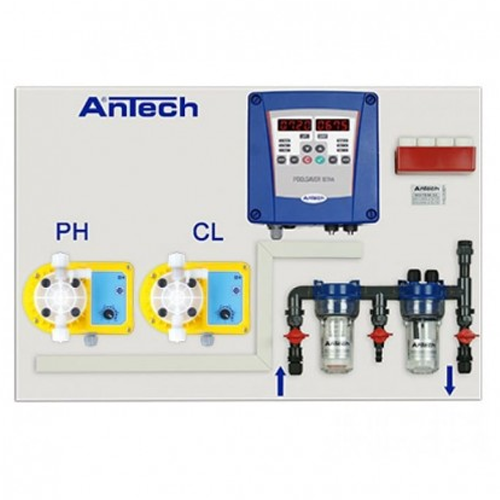
Automatic Disinfection or Salt Chlorination System
The operation of the automatic controller and dosing pumps should be checked regularly. All connection fittings must be inspected for leaks. Dosing tubes, injection and suction check valves should be examined and replaced in a timely manner if required.
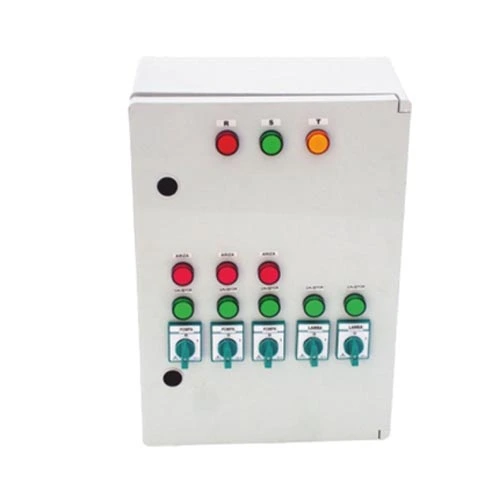
Electrical System
The electrical control panel and system must be inspected, and any non-functioning components should be replaced. All cables should be checked and must be flame-retardant and halogen-free. Loose connections should be dismantled and securely reinstalled.
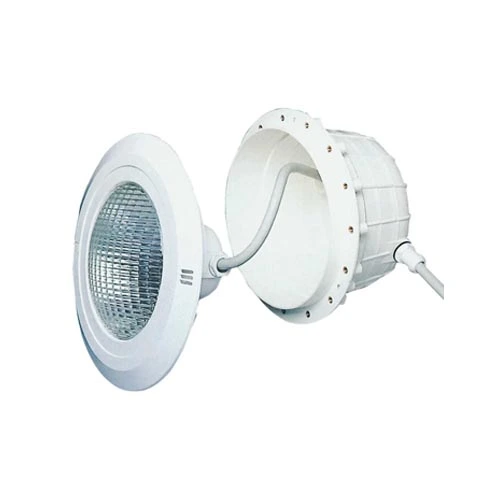
Lighting Fixtures
All pool lamps should be inspected; non-functioning lamps and gaskets must be replaced. Watertight sealing should be ensured using chemical-resistant silicone.
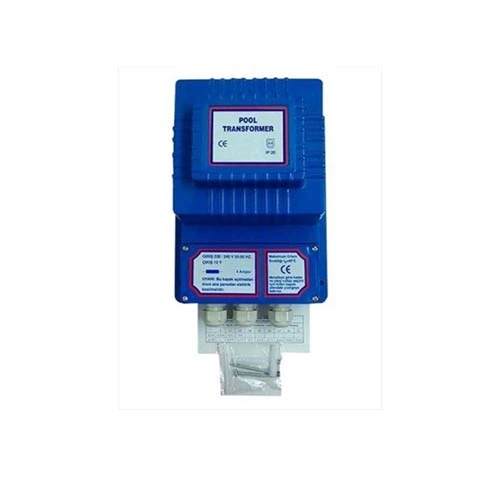
Pool Transformer
Transformers must be properly insulated against moisture and corrosion. Whenever possible, LED-indicator transformers showing operational status should be preferred.
PVC Piping System
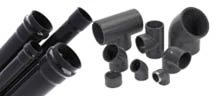
The PVC piping system and all fittings should be inspected; any leaks must be repaired, and deformed components should be replaced before the pool is filled with water.
Pool Operation Handbook
A practical PDF guide that explains pool maintenance, chemical balance, and operational processes step by step.
To prepare a swimming pool for the season, any water remaining from the winter period must be completely drained. The pool should then be rinsed with clean water to remove residues. Pool surfaces and linings should be cleaned using a brush and a diluted acid solution.
During the cleaning process, occupational safety rules must be strictly followed. Work should never be carried out without gloves, protective boots, and safety goggles. After acid-based cleaning, surfaces must be rinsed thoroughly with plenty of clean water in a short time to prevent damage to grout joints.
After cleaning, any remaining acidic and contaminated water inside the pool must be fully drained. An algaecide should then be applied to the pool walls using a brush. Depending on ambient temperature (recommended duration: 1 day), once drying is complete, the pool should be filled with clean water.
Pool water must always be of potable (drinking water) quality. Serious issues may occur if well water or tanker water of unknown quality is used, especially when high levels of iron, manganese, or lime are present. For this reason, filling the pool with municipal mains water is strongly recommended.
Pool Chemical Parameters
The chemicals used in swimming pools are determined based on the pool’s volume. To maintain proper chemical balance, five main pool chemicals are generally used. Depending on environmental conditions and water characteristics, additional chemicals may occasionally be required.
Basic Chemicals Used in Swimming Pools
pH Reducer
Chlorine
Flocculant (Flocculation)
Algaecide
Clarifier
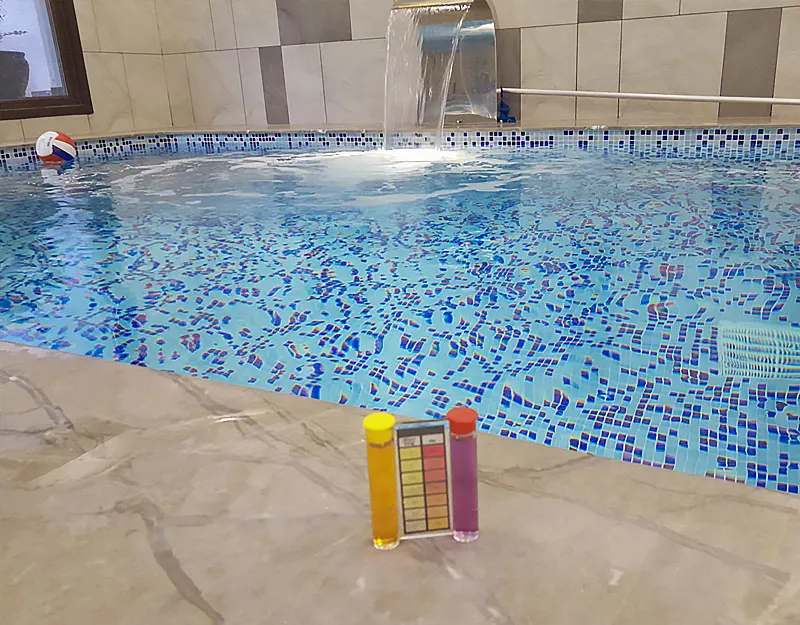
In addition, even in pools equipped with automatic disinfection systems, a test kit capable of measuring pH and chlorine levels must always be available for control purposes.
Ideal Values for Swimming Pools
pH: 7.2 – 7.6 (Ideal: 7.4)
Redox: 650 – 750 mV
Free Chlorine: 1.0 – 2.0 ppm (Max. 3 ppm)
Combined Chlorine: Max. 0.7 ppm
Hardness (CaCO₃): 100 – 500 ppm
Daily fresh water addition: 30 liters per person
How to Use Pool Chemicals
When putting a pool into operation for the first time, the pH balance must be adjusted first.
Once the pH value reaches the ideal level (7.4), chlorine adjustment should be carried out.
In measurements taken using a test kit, the ideal chlorine level should be approximately 1.0 ppm.
Throughout the pool operation period, pH and chlorine values should be tested regularly on a daily basis,
and appropriate amounts of chemicals should be added whenever necessary.
Chemical Usage Rates for a 100 m³ Swimming Pool
The values listed below are averages; the pool’s architectural design,
user density, and environmental factors may increase chemical consumption.
Important Warning
In liner-lined and inflatable pools, the use of granular (powder) chlorine and granular pH reducers
may cause bleaching and discoloration of the pool surface.
For these types of pools, the use of chlorine tablets and liquid pH reducers is recommended.
Chemical Dosages (for a 100 m³ Pool)
pH Reducer: 1 – 1.5 kg for each 0.2 pH decrease
Chlorine (Initial Filling): 1.0 kg
Chlorine (Daily): 200 g
Flocculant: 1 liter per week
Algaecide: 1.5 liters at initial filling, 0.6 liters weekly
Clarifier: 1.0 liter at initial filling, 0.6 liters weekly
Automatic Disinfection Systems
In automatic disinfection systems, liquid chlorine and liquid pH reducers should be used.
The system continuously measures pool water parameters and performs automatic dosing according to demand,
stopping the dosing process once ideal values are achieved.
Chemical Safety
All pool chemicals must be approved by the Ministry of Health and must have
an available MSDS (Material Safety Data Sheet).
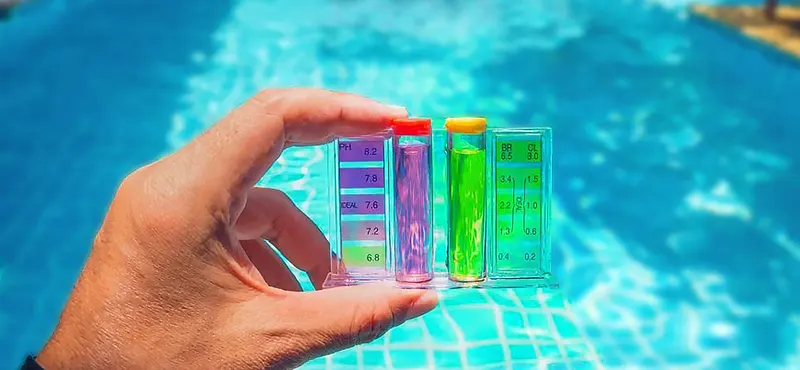
Using a Test Kit
When using a test kit, the chambers should be cleaned after opening the caps.
A water sample should be taken from approximately 50 cm below the water surface.
In tablet or liquid test kits, the specified number of tablets or drops is added,
the cap is closed, and the sample is mixed.
The resulting color is then compared with the color chart to approximately determine pH and chlorine levels.
Our Blog Posts
Up-to-date blog articles about our areas of expertise and application solutions.
As Artemis Pool & Fountain Systems, you can access detailed information about our products, applications, and fields of activity through our E-Catalog. Our engineering-focused solutions and professional services in compliance with international standards are summarized in this catalog.