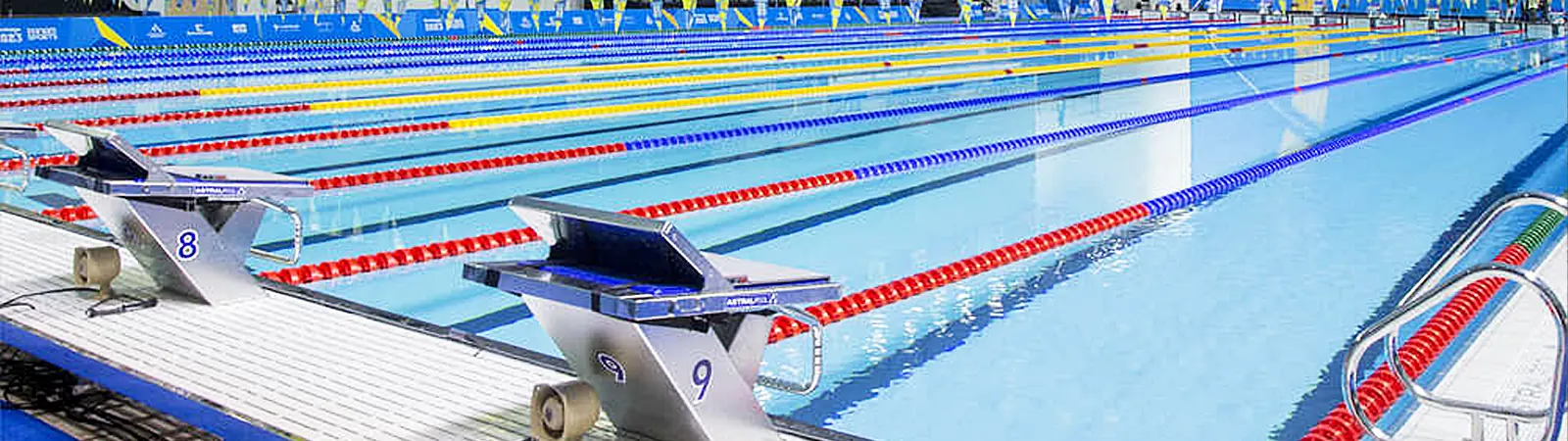
Olympic Swimming Pool
Olympic swimming pools are professional sports facilities designed according to specific technical standards in order to host international competitions. These pools are evaluated not only by their dimensions but also by the quality of their hydraulic infrastructure, filtration systems and the equipment used. A properly engineered Olympic pool ensures balanced water circulation and provides ideal swimming conditions for athletes.
The Olympic pool standards determined by FINA include many technical criteria such as pool length, lane width, water depth and equipment placement. Pools designed according to these standards allow national and international competitions to be organized. These criteria are also extremely important for controlling wave movements within the pool and protecting swimmer performance.
Engineering calculations play a critical role in professional Olympic pool projects. Filtration capacity, water circulation flow rate, balance tank volume and hydraulic piping systems must be carefully planned. With the right engineering approach, pool water remains more stable, maintenance costs decrease and safe long-term operation is ensured.
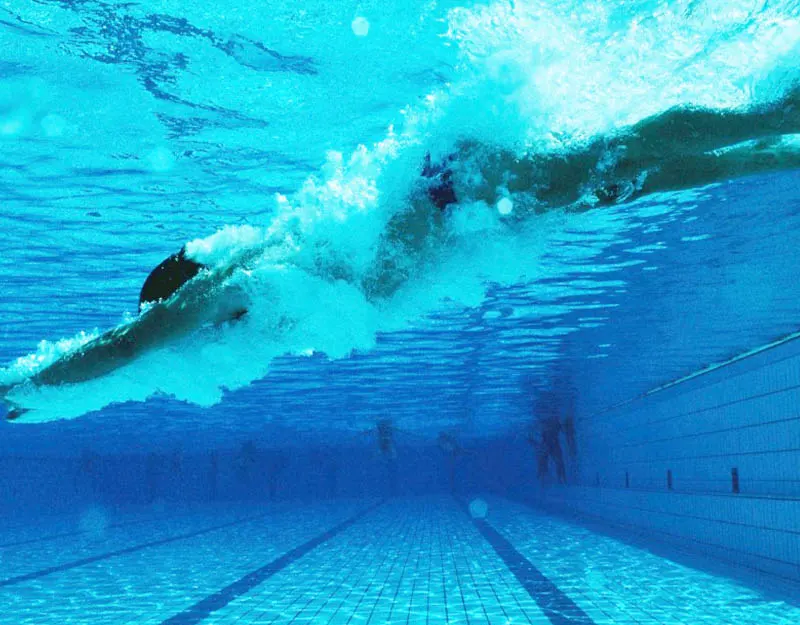
Swimming pools that are used worldwide for competitions or training purposes are called Olympic swimming pools. They are pools constructed according to the standards defined by FINA in order to host national and international competitions.
Filtration and disinfection installations in Olympic swimming pools must be built in accordance with TS13661 standards. In order to host international competitions, pool dimensions as well as the materials and equipment used must comply with FINA regulations. Pools that do not meet FINA standards are not permitted to host national or international competitions.
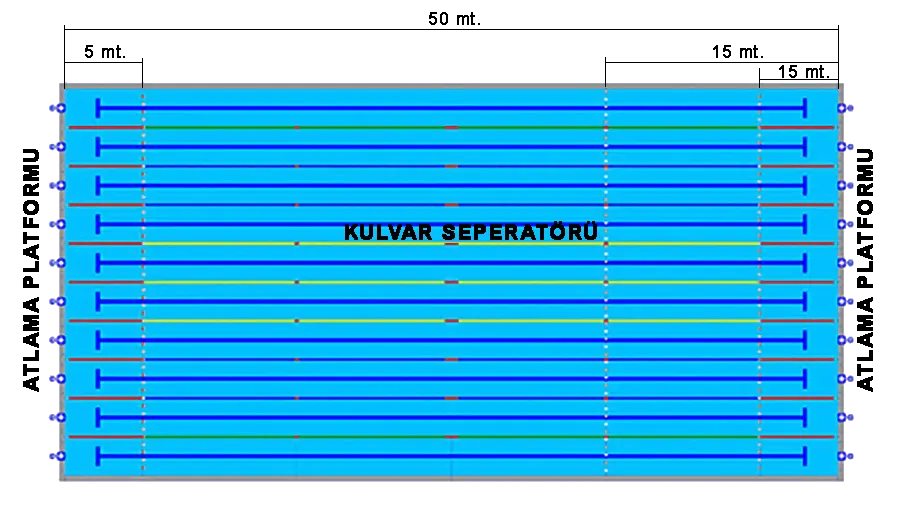
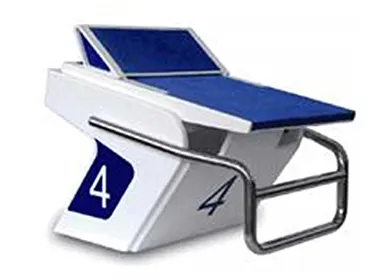
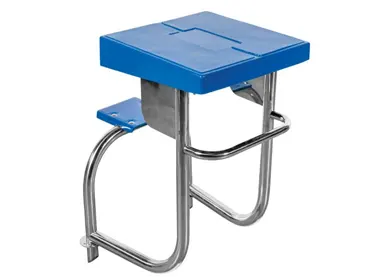
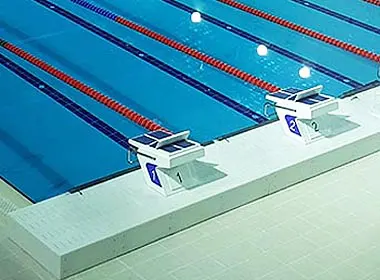
Olympic swimming pools can be used for freestyle, breaststroke and backstroke races as well as synchronized swimming, relay races and water polo competitions. Starting platforms in Olympic pools are manufactured at heights of 40 cm or 70 cm depending on the structure of the short side of the pool. Since Olympic pools are often used not only for sports competitions but also for training, recreation and public swimming, a foot ledge at least 10 cm wide should be constructed 120 cm below the water surface during pool shell construction.
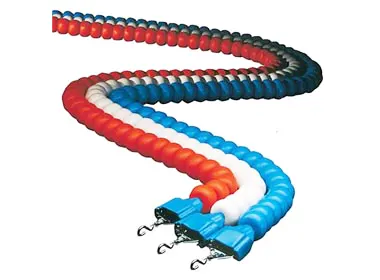
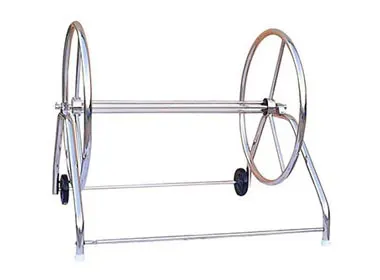
The standard distance between lanes is 2.5 meters. Lanes are separated by lane dividers. Lane dividers must comply with the standards defined by FINA and have wave-reducing characteristics that minimize turbulence created by swimmers. Otherwise, the waves created by one swimmer may negatively affect swimmers in adjacent lanes.
The minimum depth of Olympic swimming pools must be 2.0 meters. However, if the pool is also intended for water polo or synchronized swimming competitions, the depth should be designed as 3 meters.
For professional planning, you can review our pool design and consultancy services.
Olympic swimming pools must be designed in accordance with the standards defined by World Aquatics (FINA) in order to host international competitions.