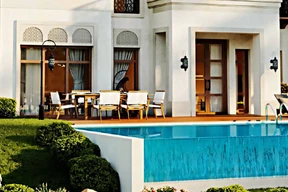
What Is SPA & Wellness?
The concept of SPA & Wellness originates from the Latin phrase “Sanus Per Aqua”,
meaning “health through water.” Throughout history, water has been regarded as
a source of purification, renewal, and healing. From ancient Roman baths to
Ottoman bath culture, many civilizations placed the healing power of water
at the center of daily life.
Today, SPA & Wellness has evolved into holistic living spaces that support
physical and mental well-being by combining this ancient wisdom with
modern engineering, architecture, and technology.
Why Is Creating a SPA & Wellness Area Important?
SPA & Wellness areas are no longer exclusive to luxury projects.
Intense urban life, stress, physical inactivity, and mental fatigue
have made these spaces one of the essential needs of modern life.
A properly planned SPA & Wellness area allows users to relax physically,
renew mentally, and disconnect from the pace of daily life.
This not only enhances individual quality of life but also adds
long-term value to the project.
The Contribution of SPA & Wellness to Corporate Projects
- Increase in project value and perceived quality
- Higher user satisfaction and loyalty
- Clear differentiation from competing projects
- Long-term economic and commercial advantages
Why Should SPA & Wellness Projects Be Professionally Designed?
SPA & Wellness areas are systems that directly affect human health.
Therefore, the design process must consider not only aesthetics,
but also hygiene, safety, energy efficiency, and sustainability.
Poorly designed SPA areas lead to high operating costs,
inadequate hygiene conditions, humidity and ventilation problems,
and user discomfort.
Key Elements of Professional Design
- Proper balance of heat, humidity, and ventilation
- Hygiene standards in material and equipment selection
- Energy-efficient system solutions
- Long-lasting infrastructure with easy maintenance
How Long Does a SPA & Wellness Project Take?
The duration of SPA & Wellness projects varies depending on
the size of the area, the systems to be implemented,
and site conditions.
In general, after the design and manufacturing processes are completed,
the installation phase is finalized within 7 to 21 days.
This period may be longer for more comprehensive and multifunctional SPA areas.
How Is Hygiene Ensured in SPA Areas?
Our projects are designed in accordance with international hygiene and safety criteria, referencing
ISO standards
and global engineering principles.
Hygiene is the most critical aspect of SPA & Wellness areas.
High humidity, temperature, and water usage require
specialized hygiene solutions.
When these factors are not addressed together,
both structural integrity and user safety are placed at serious risk.
Energy Efficiency in SPA & Wellness Systems
SPA Mechanical and HVAC System Design
In SPA & Wellness areas, humidity control, temperature balance and ventilation systems must be engineered professionally. High humidity levels directly affect structural durability, material lifespan and user comfort. Therefore, heat recovery systems, controlled air circulation and automation-supported HVAC solutions are integrated to create a sustainable and energy-efficient infrastructure.
Energy efficiency directly impacts long-term operating costs. Incorrect system selection may lead to significant energy losses. With proper equipment selection and automation systems, maximum comfort can be achieved while minimizing energy consumption.
Systems Applied in SPA & Wellness Areas
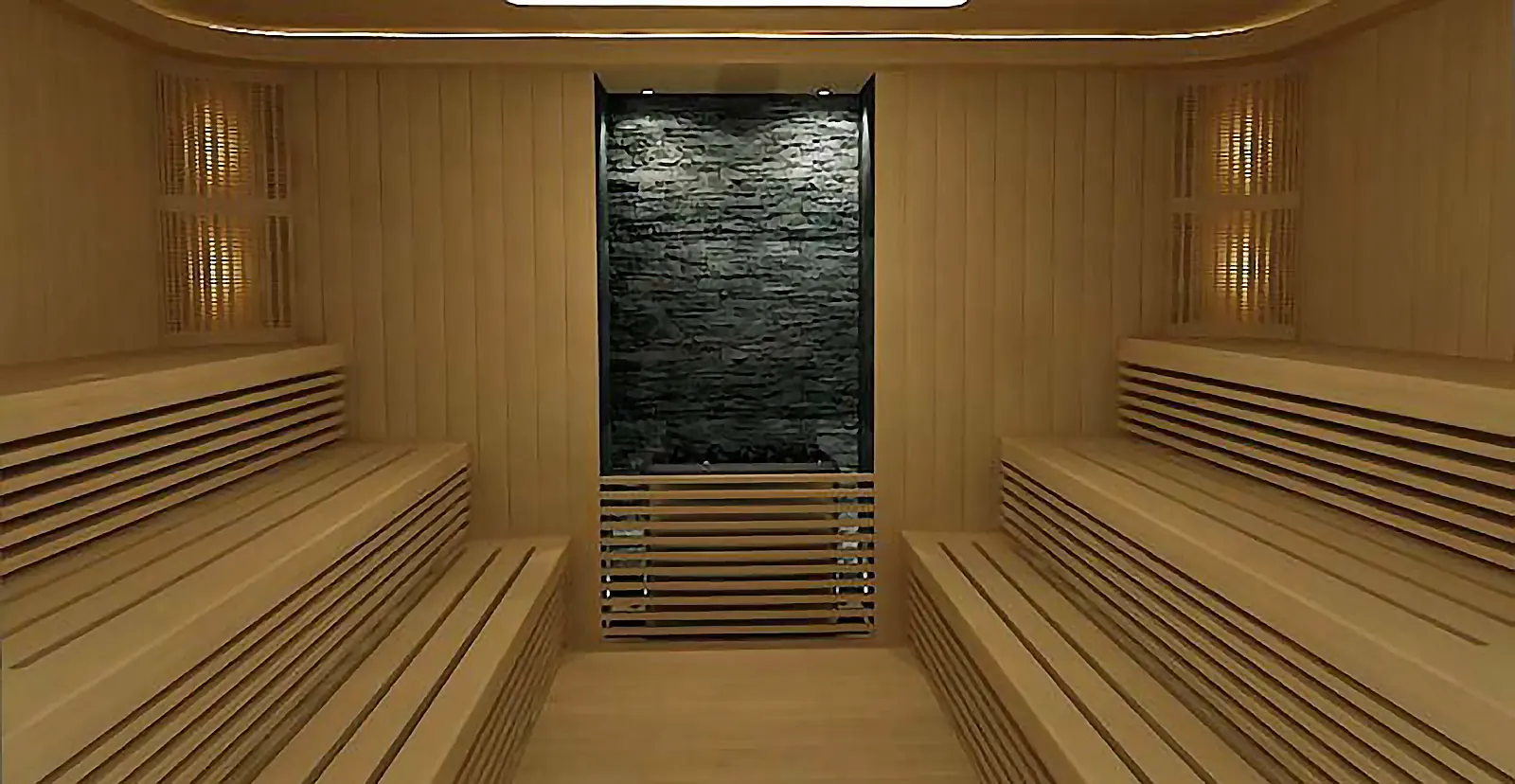
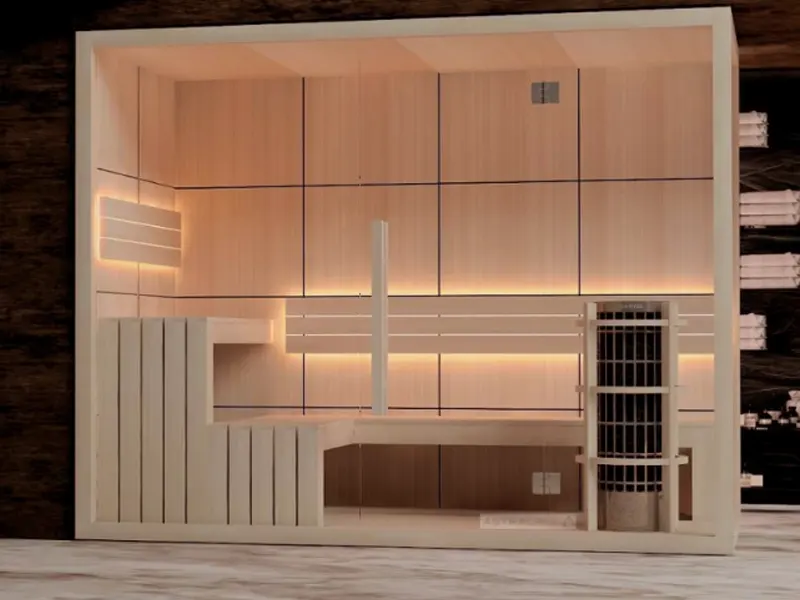
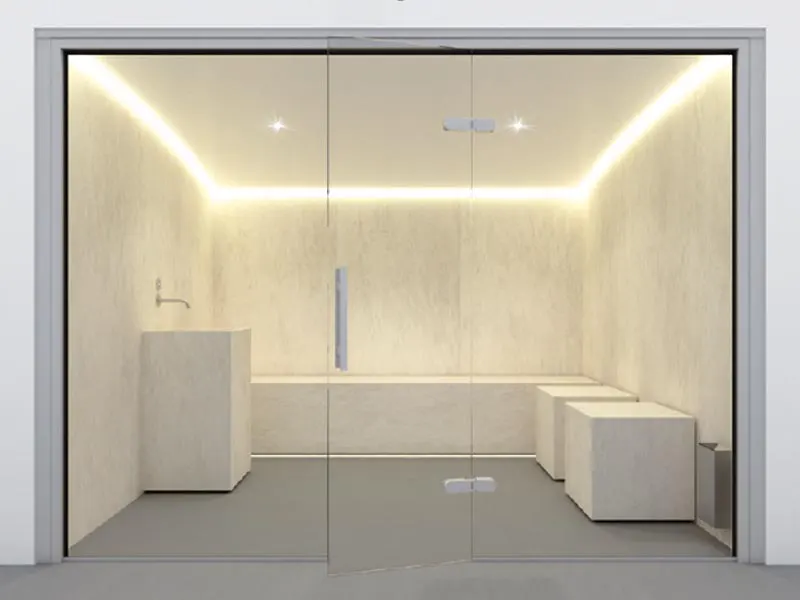
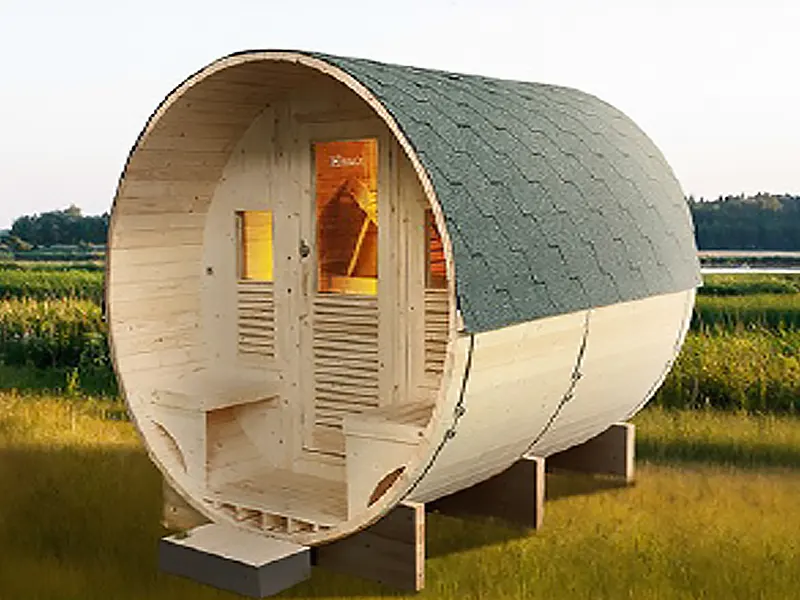
- Sauna and steam rooms
- Turkish hammam systems
- Hydrotherapy and massage pools
- Salt rooms and specialized therapy areas
- Meditation and relaxation zones
Key Factors in Maintaining Hygiene
- Proper filtration and water circulation
- Hygienic and easy-to-clean surface materials
- Humidity control and effective ventilation systems
- Use of equipment compliant with international standards
Where Can SPA & Wellness Projects Be Applied?
SPA & Wellness systems can be flexibly designed according to
different user profiles and usage purposes.
- Hotels and resorts
- Residential and housing projects
- Sports centers and fitness facilities
- Thermal facilities
- Social and recreational areas
SPA & Wellness: A Long-Term Investment
SPA & Wellness is not a temporary trend,
but an essential component of a healthy-living-focused future.
Properly planned and professionally implemented SPA & Wellness areas
provide long-term, sustainable, and value-generating solutions
for both users and investors.
For professional planning, you can review our pool design and consultancy services.
SPA Mechanical Infrastructure and Technical Systems
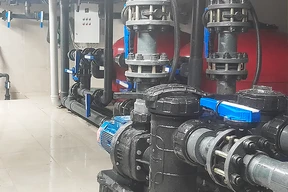
The mechanical infrastructure used in SPA & Wellness areas includes water circulation pumps, filtration units, balance tanks, humidity control devices and HVAC systems. Accurate engineering calculations of these systems are critical for both user health and operational efficiency.
SPA & Wellness Design Service
As Artemis Pool, we provide turnkey SPA design services for hotels, residential projects, sports complexes and thermal facilities. Concept development, mechanical infrastructure planning, humidity and heat control calculations, filtration systems and automation integration are managed under a unified engineering approach.
Each project is designed according to usage scenarios, spatial analysis and energy efficiency criteria. This approach ensures long-lasting, hygienic and sustainable SPA systems.