What Is an Aquapark?
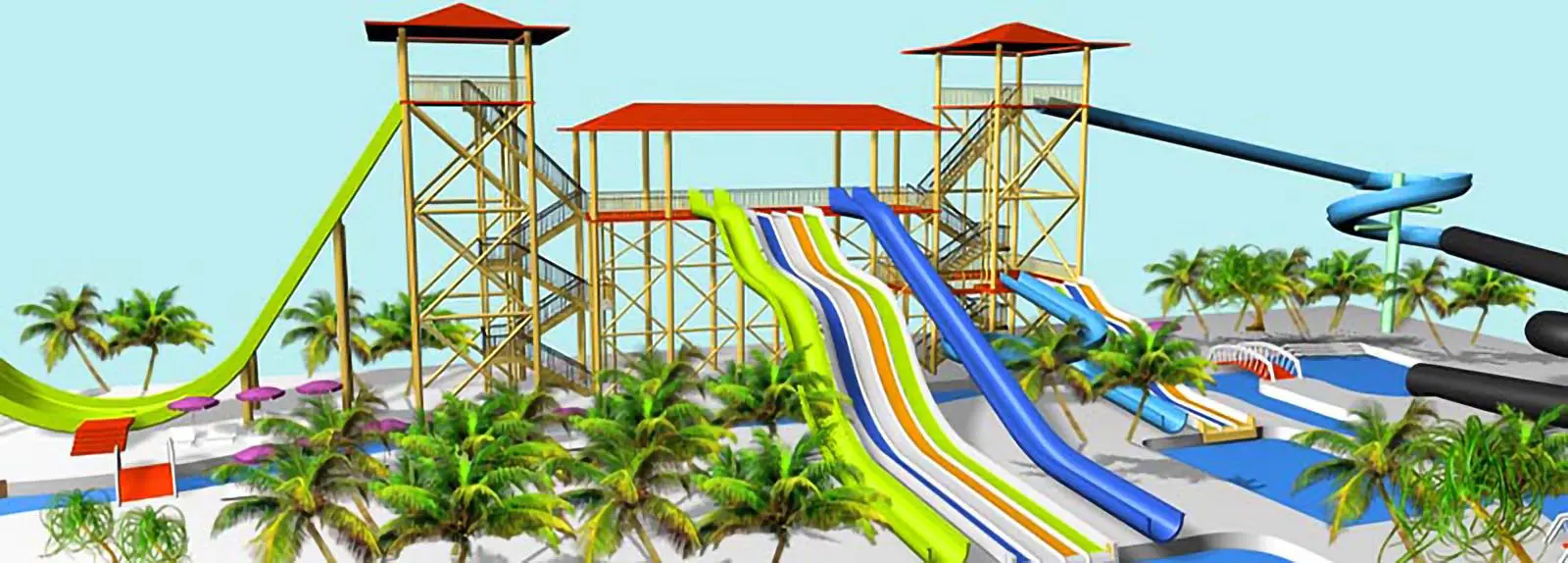
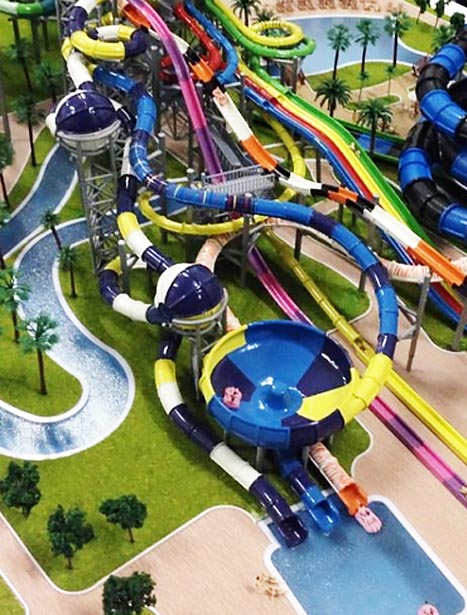
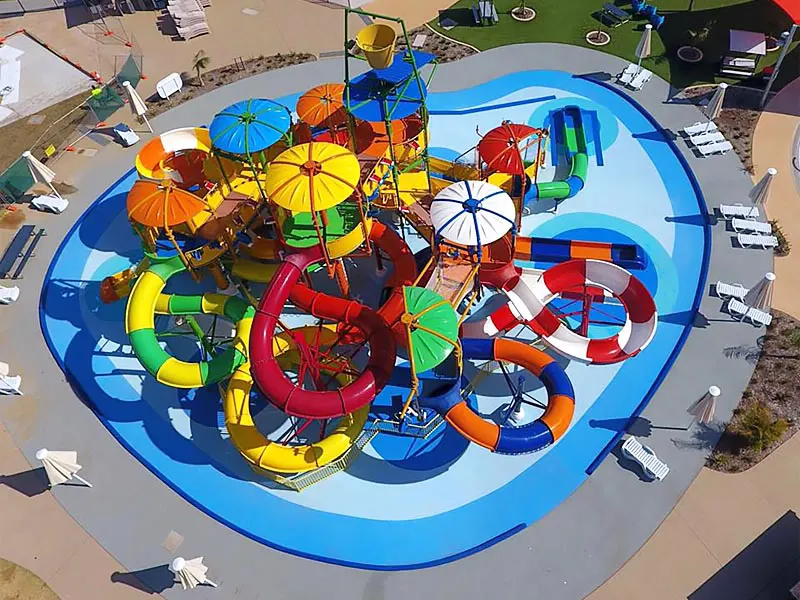
An aquapark is a comprehensive entertainment complex consisting of water slides, children’s play groups, aquapark pools, wave pools, and interactive water play features.
- Hotels and resorts
- Municipalities and public facilities
- Theme parks
- Private investment projects
The Importance of Engineering in Aquapark Projects
Aquapark projects are not limited to visual design alone. Hydraulic calculations, safety standards, filtration capacity, and energy efficiency must be considered together.
- Proper planning of water circulation
- Water slide performance calculations
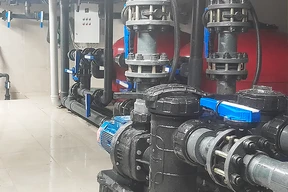
- Filtration and disinfection capacity
- Energy and water consumption optimization
Water Slides
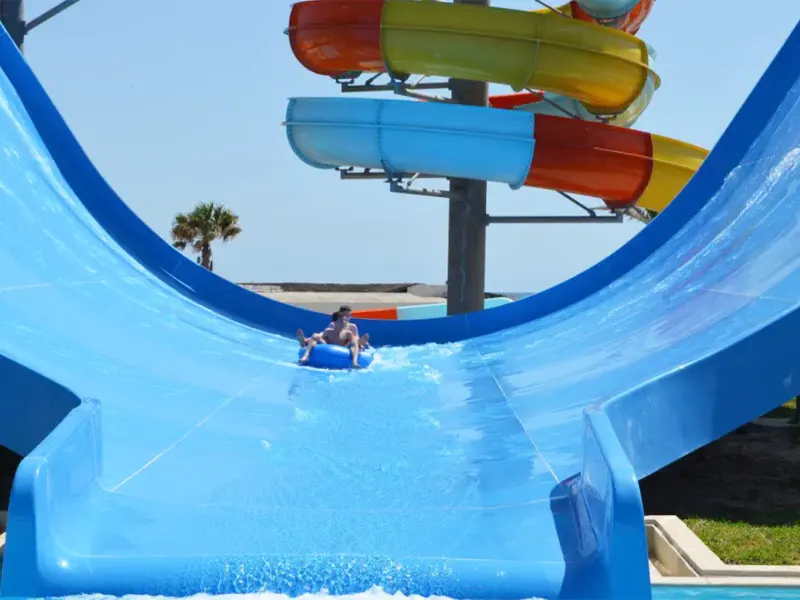
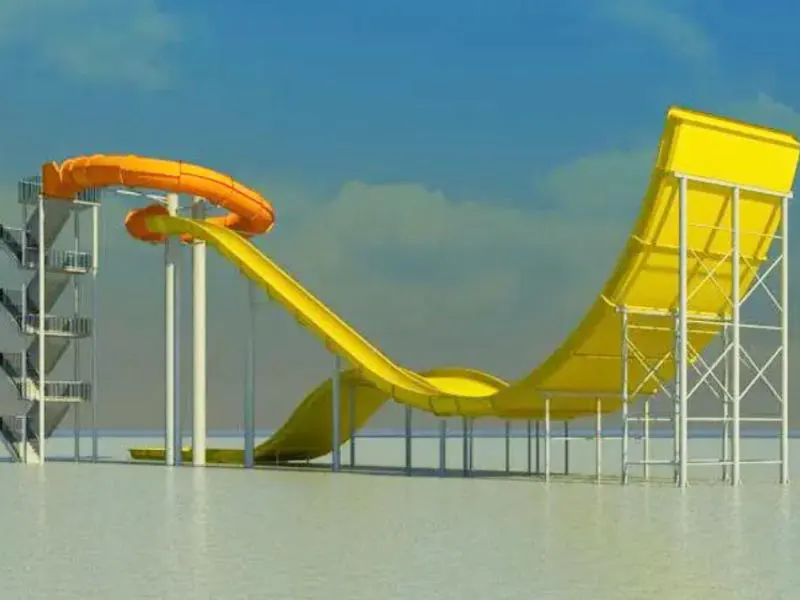
Water slides are the most eye-catching and most frequently used components of aquaparks. They directly affect visitor experience.
Types of Water Slides
- Open water slides
- Enclosed (tunnel) water slides
- Multi-lane racing slides
- Family raft slides
Technical Features of Water Slides
Water slide systems must be designed based on engineering calculations in terms of user safety and performance.
- Slide slope angles
- Water flow rate and pressure calculations
- User weight limits
- Entry and exit pool dimensions
Children’s Aquapark Play Groups
Aquapark systems designed for children must be developed according to special safety standards and low-risk principles.
Features of Children’s Play Groups
- Low water depth
- Smooth transitions
- Non-slip surfaces
- Rounded edges
- Vibrant and playful designs
Aquapark Pools
Unlike conventional swimming pools, aquapark pools are designed to accommodate high user density.
Types of Aquapark Pools
- Slide pools
- Wave pools
- Activity and leisure pools
Disinfection Systems
Modern aquapark projects should use automated disinfection systems.
- Automatic chlorination systems
- Saltwater electrolysis systems
- UV and ozone systems
Thanks to automation systems, aquaparks are operated in a safer, more efficient, and more sustainable manner.
- Water and energy consumption monitoring
- Chemical dosing control
- Fault and alarm systems
Aquaparks are facilities with high energy consumption. Therefore, energy efficiency is of great importance.
- Energy-efficient pumps
- Heat pump systems
- Energy recovery solutions
Safety Standards
All systems are designed in accordance with international aquapark safety standards including EN 1069 and ASTM F2376, ensuring compliance for commercial and municipal projects.
In aquapark projects, safety is a fundamental principle not only during operation but throughout all stages of concept development, hydraulic calculations, equipment selection, and implementation.
- Water slide speed, slope, and water flow calculations
- Safe depths and buffer zones in entry and exit pools
- Non-slip surfaces and user guidance systems
- Design compliant with international EN 1069 and ASTM F2376 standards
In aquapark systems, water hygiene must be handled much more sensitively than in standard swimming pools due to high user circulation.
Filtration and disinfection systems are designed not only for clarity but also for health and sustainable operation.
- High-flow circulation and filtration calculations suitable for pool volume
- Multi-layer sand and glass filter systems suitable for intensive use
- Balancing tank and hydraulic distribution optimization
- Automatic chlorination, salt chlorine generators, and supplementary UV–ozone systems
- Design compliant with international hygiene and water quality criteria
All systems are integrated with automation infrastructures to ensure continuous water quality control and aim to minimize chemical consumption during operation.
Aquapark Design Process
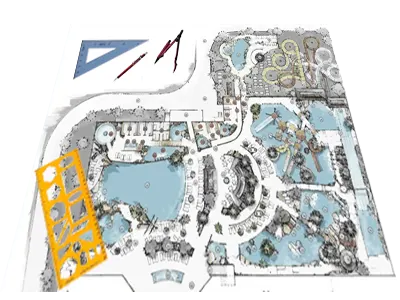
A successful aquapark project is possible not only through visual design but through a disciplined design process in which user profiles, site analysis, and engineering calculations are addressed together.
- Site survey, capacity analysis, and determination of user scenarios
- Development of aquapark concepts and equipment layout plans
- Hydraulic and speed calculations for water slides
- Preparation of filtration, balancing tank, and mechanical installation projects
- Integration of electrical, automation, and control systems
- Management of implementation, installation, testing, and commissioning processes
All projects are planned in line with operational efficiency and long-term performance targets and are delivered on a turnkey basis.
Return on Aquapark Investment
When properly planned, aquapark investments become not only entertainment areas but also strong revenue generators that increase occupancy rates, length of stay, and brand value of the facility.
- Increased attractiveness for families with children
- Extended length of stay and higher repeat visit rates
- Creation of an additional revenue area actively used throughout the season
- A strong marketing advantage over competing facilities
Aquapark systems designed by Artemis Pool ensure high user satisfaction while being engineered to optimize maintenance and operational costs. This approach shortens the return on investment period and supports long-term profitability.
Why Artemis Pool?
As an experienced aquapark contractor, Artemis Pool delivers commercial aquapark projects for hotels, resorts and
municipal water park developments. All systems are engineered in compliance with international water park safety standards and designed for long-term operational performance.
Aquapark and water slide systems are not merely entertainment equipment; they are complex engineering systems that require high responsibility, technical expertise, and long-term operational awareness.
- End-to-end engineering approach from concept to implementation
- Integrated design of hydraulic, mechanical, and electrical infrastructures
- Design and implementation in compliance with international EN and ASTM standards
- System configurations focused on energy efficiency and low operating costs
- Field experience in hotel, resort, and public space projects
Artemis Pool does not merely install systems in aquapark projects; it develops solutions aimed at safe, efficient, and long-lasting operational performance.
Conclusion
Aquaparks and water parks are projects that deliver high visitor satisfaction and strong commercial returns when supported by proper engineering, high-quality equipment, and professional implementation. Water slides, children’s play groups, and aquapark pools require not only aesthetics but also technical accuracy.