info@artemispool.com
+90 505 732 57 56
Pool maintenance mistakes and clean pool appearance

7 Common Pool Maintenance Mistakes and How to Prevent Them

April 16, 2026 25 min read

Owning a swimming pool is not only about enjoying a comfortable lifestyle; it also requires regular maintenance, proper system usage, and technical knowledge.

Unfortunately, many users unknowingly make serious mistakes in pool maintenance. Over time, these mistakes can lead to poor water quality, equipment failures, and high costs.

In this comprehensive guide, we examine the 7 most common pool maintenance mistakes and how to prevent them in detail.

✔ 30+ years of experience   ✔ Professional project design   ✔ Turnkey pool solutions

A detailed technical comparison and proper operation guide for common pool maintenance mistakes.

Avoid Mistakes, Improve Performance

Pool maintenance mistakes are usually caused by a lack of knowledge. However, with the right information and regular maintenance, all of these mistakes can be prevented.

Remember:

  • Proper maintenance = Clean water
  • Proper system = Lower costs
  • Proper equipment = Longer lifespan

With the right maintenance strategies:

  • Water quality is preserved
  • Costs are reduced
  • Pool lifespan is extended

Pool maintenance mistakes may seem minor in the short term but can lead to serious problems in the long run.

By maintaining your pool properly, you can achieve both a healthy and cost-efficient experience.

Don’t want to make mistakes in pool maintenance?

Get Free Consultation
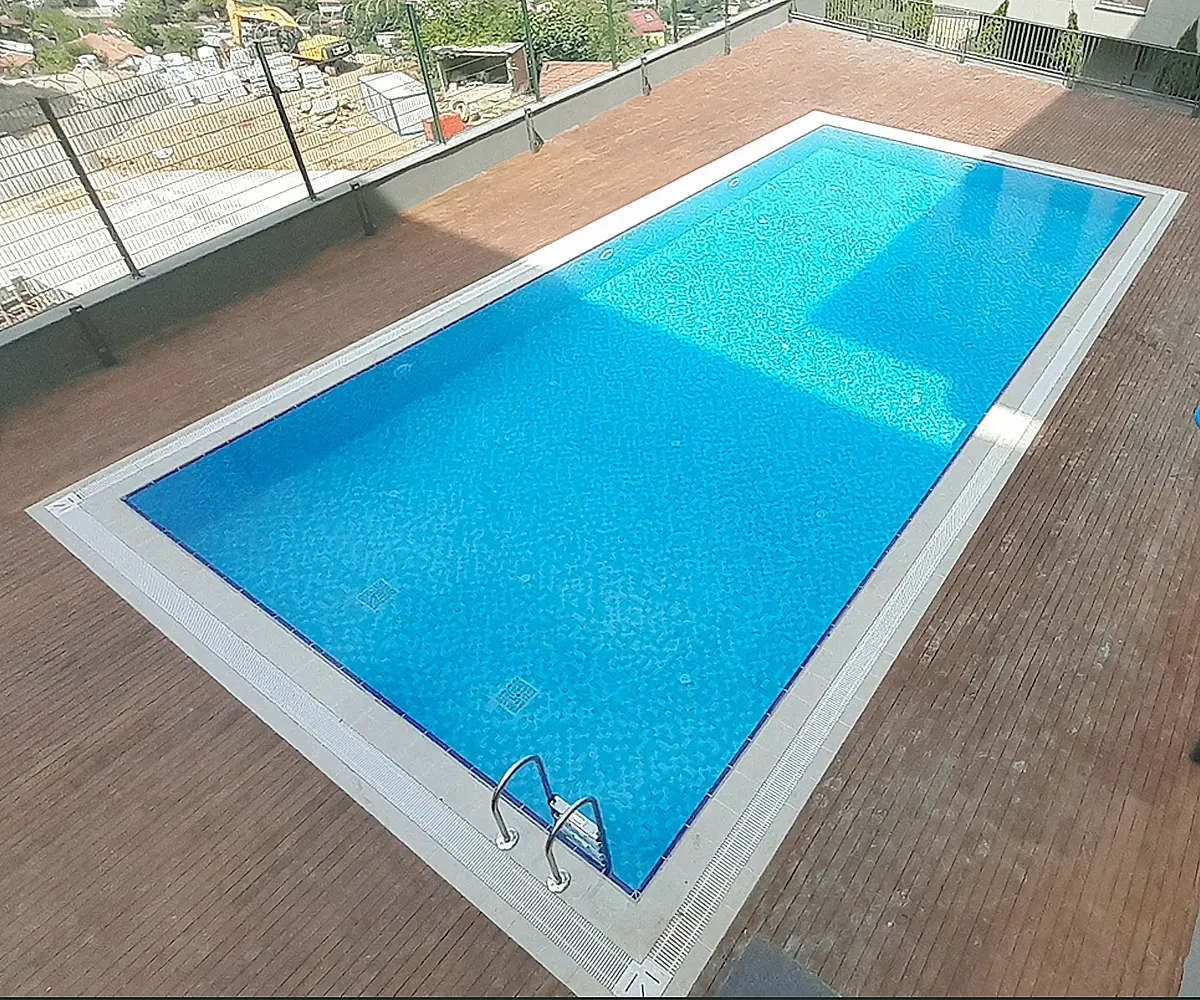
Pool maintenance and clean pool appearance

7 Common Pool Maintenance Mistakes

Mistakes in pool maintenance can lead to serious costs and performance loss over time.

1. Neglecting Chemical Balance

One of the most common pool maintenance mistakes is ignoring chemical balance.

  • Water becomes cloudy
  • Bacteria growth increases
  • Skin and eye irritation occurs

For proper chemical balance, regular testing should be performed and, if necessary, professional pool maintenance services should be used.

2. Running the Filtration System Insufficiently

The filtration system is the heart of the pool.

  • Leads to dirty water
  • Causes algae formation
  • Creates bad odors

It is recommended to run the filtration system at least 6–8 hours daily.

3. Postponing Pool Cleaning

  • Sediment forms at the bottom
  • Dirt accumulates on walls
  • The filtration system is strained

A weekly cleaning routine should be established.

If cleaning is neglected, pool water quickly becomes dirty, significantly reducing both visual quality and hygiene levels.

4. Incorrect Chemical Usage

  • Excess chlorine → Irritation
  • Low chlorine → Hygiene problems

Correct dosage is extremely important.

Improper chemical use not only affects water quality but also shortens the lifespan of pool equipment.

5. Not Monitoring Water Level

Low water levels can prevent pumps and filtration systems from operating properly and may damage equipment.

  • Pump may run dry
  • Filtration efficiency decreases
  • Equipment failures may occur

Therefore, water levels should be checked regularly. This is especially critical in systems with a balance tank.

6. Ignoring Energy Efficiency

Ignoring energy efficiency leads to high operating costs in the long run.

  • High electricity consumption
  • Unnecessary system operation
  • Inefficient equipment usage

Energy savings can be achieved with proper equipment selection and automation systems such as pool automation.

7. Not Getting Professional Support

One of the biggest mistakes is trying to manage the entire pool maintenance process alone without sufficient technical knowledge. While it may seem cost-effective at first, this approach often leads to incorrect practices, imbalanced water chemistry, and inefficient equipment performance.

Working with professional teams provides significant advantages in terms of both cost and performance in the long run. Experts ensure proper operation through correct equipment selection and maintenance planning.

  • Reduced risk of errors
  • Improved water quality
  • Extended equipment lifespan

Detailed Guide to Pool Water pH and Chemical Balance

The most critical aspect of pool maintenance is water balance. Below you will find professional-level technical information.

Detailed Guide to Pool Water pH and Chemical Balance

One of the most critical parameters for maintaining healthy and balanced pool water is the pH level. The pH value determines whether the water is acidic or alkaline and directly affects the effectiveness of other chemicals.

The ideal pH range is generally between 7.2 – 7.6. Values outside this range can lead to serious problems.

  • Low pH → Equipment corrosion and irritation
  • High pH → Cloudy water and scaling

For this reason, weekly testing with test kits is essential.

Chlorination Mistakes and Proper Use

Chlorine is the most essential chemical used for disinfecting pool water. However, improper use can cause serious problems.

  • Excess chlorine → Eye irritation and strong odor
  • Insufficient chlorine → Bacteria and algae growth

Keeping chlorine levels between 1–3 ppm is considered ideal.

In professional systems, this balance is maintained continuously using automatic dosing systems.

Importance of Filtration and Circulation Systems

Using chemicals alone is not enough to keep pool water clean. Proper water circulation and filtration systems must work together.

It is recommended that the entire pool water be filtered at least 2–3 times per day.

  • Sand filtration systems
  • Cartridge filters
  • Glass filter media

Incorrect filter selection or insufficient capacity can render the entire system ineffective.

Algae Formation and Prevention Methods

Algae formation is one of the most common problems in pool maintenance. It usually occurs due to neglected chemical balance or insufficient filtration.

To prevent algae formation:

  • Regular chlorination should be applied
  • The filtration system should be kept active
  • Algaecides should be used

If not treated early, the pool can become completely unusable.

Pool Equipment Maintenance

A pool is not just water. Pumps, filters, valves, and piping systems must be checked regularly.

  • Pump motor inspection
  • Filter cleaning
  • Valve and connection checks

Unmaintained equipment can lead to serious failures and high costs.

Seasonal Pool Maintenance

Pool maintenance is not the same throughout the year. Different maintenance strategies should be applied depending on the season.

Summer Season

  • More frequent cleaning
  • Increased chemical usage

Winter Season

  • Winter closing procedures
  • Protective chemicals

Without seasonal maintenance, the pool system may be damaged.

Ways to Save Energy in Pools

Pool systems can consume significant energy. However, with the right equipment and systems, these costs can be reduced.

  • Variable speed pumps
  • LED lighting systems
  • Timer-based automation systems

These solutions provide significant long-term savings.

Why Professional Pool Maintenance Matters

Pool maintenance requires technical knowledge. Working with professional teams:

  • Reduces the risk of errors
  • Improves water quality
  • Extends equipment lifespan

For this reason, professional support is recommended, especially for large and frequently used pools.
Professional Pool Maintenance Checklist

You can prevent mistakes with a regular control checklist.

Daily Checks

  • Water level
  • Surface cleaning
  • Skimmer inspection

Weekly Checks

  • pH measurement
  • Filter inspection
  • Bottom cleaning

Monthly Checks

  • Pump maintenance
  • Backwash
  • Chemical analysis

Pool Maintenance Plan: Daily, Weekly, and Monthly Schedule

To make pool maintenance systematic, a structured plan should be created. With this plan, no step is missed and pool performance is maintained at the highest level. Planned maintenance reduces costs and extends the lifespan of the pool.

Daily Plan

  • Surface cleaning
  • Pump check
  • General inspection

Weekly Plan

  • Chemical measurement
  • Filter cleaning
  • Vacuum cleaning

Monthly Plan

  • Equipment inspection
  • Water analysis
  • Professional maintenance

Professional Approach

Costs and performance are optimized with the right systems.

Cost Impact

Many users do not realize that small mistakes can lead to major costs. However, improper maintenance practices:

  • Cause equipment failures
  • Increase water replacement costs
  • Raise energy consumption

lead to these issues.

Professional Solutions

Today, there are many professional solutions that simplify pool maintenance:

  • Automatic dosing systems
  • Smart pool control systems
  • Robotic cleaning devices

With these systems, the maintenance process becomes automated and human error is minimized.

Expert Recommendations

The most recommended maintenance tips from professionals are:

  • Do not add chemicals without regular testing
  • Do not reduce filtration duration
  • Do not neglect seasonal maintenance
  • Avoid using low-quality chemicals

These simple rules significantly improve pool performance.

Looking for Turkish version? View Turkish version

Frequently Asked Questions

How often should pool maintenance be done?

Weekly regular maintenance is recommended.

What should the chlorine level be?

Generally, 1–3 ppm is considered ideal.

How long should filtration run?

At least 6–8 hours per day.

How much does pool maintenance cost?

It varies depending on the size and system of the pool, but regular maintenance is much more economical than major repairs.

How often should pool water be replaced?

With proper maintenance, pool water can be used for a long time without complete replacement.

What is the most common pool maintenance mistake?

Neglecting chemical balance is the most common mistake.

Why does pool water become cloudy?

It is usually caused by pH imbalance, insufficient filtration, or lack of chemicals.

Why does pool water turn green?

This happens due to algae formation. Chlorine levels are usually low.

Why does pool odor occur?

It is not excess chlorine, but improper use of chlorine that causes bad odors.

How often should a pool be cleaned?

Detailed cleaning is recommended at least once a week.

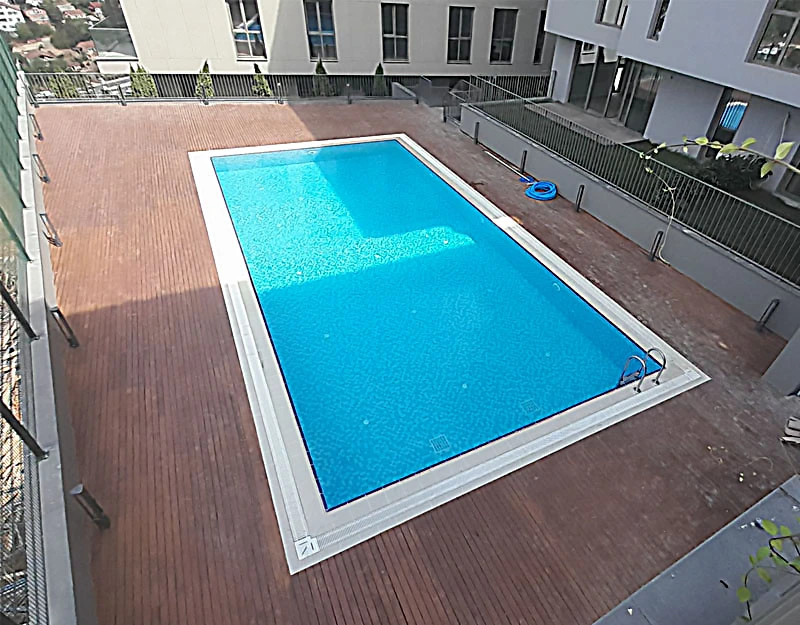
Professional pool maintenance and clean pool water

Our Reference Videos

Short highlights from our real projects.

Free price quote for pool projects - Artemis Pool

E-Catalog

As Artemis Pool & Fountain Systems, you can access detailed information about our products, applications, and fields of activity through our E-Catalog. Our engineering-focused solutions and professional services in compliance with international standards are summarized in this catalog.

Download the Catalog (PDF)