Swimming Pool Construction Process – Step by Step
- Site Survey & Analysis: Area measurements, ground conditions, and intended use are evaluated.
- Design & Engineering: Structural, mechanical, and electrical projects; selection of skimmer / overflow / infinity systems.
- Reinforced Concrete: Reinforcement, formwork, and concrete pouring are carried out in accordance with engineering standards to ensure a durable structure.
- Pool Waterproofing: High chemical-resistance insulation layers are applied to ensure complete water tightness.
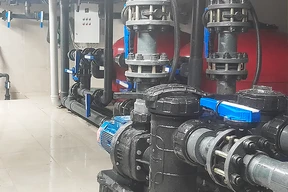
- Mechanical & Electrical Installation: Electromechanical filtration systems are installed. Pool operator training is provided, and all systems are integrated for safe and efficient operation.
- Finishing & Accessories: Ceramic, glass mosaic, or liner coatings are applied; ladders, nozzles, and lighting accessories are installed with a focus on aesthetics and ease of use.
- Testing & Commissioning: Leakage and circulation tests are performed, chemical balance is adjusted, and safe, long-term use of the pool is ensured.
Pool Types
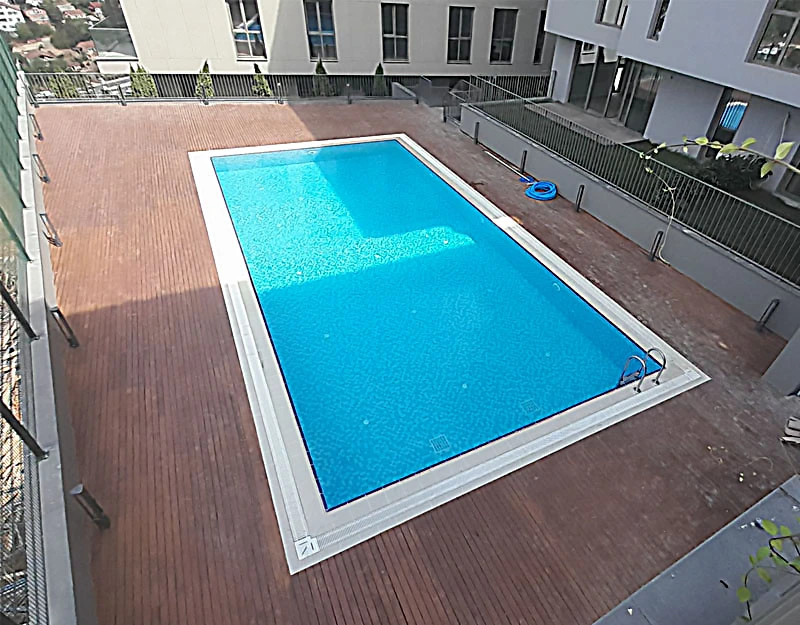
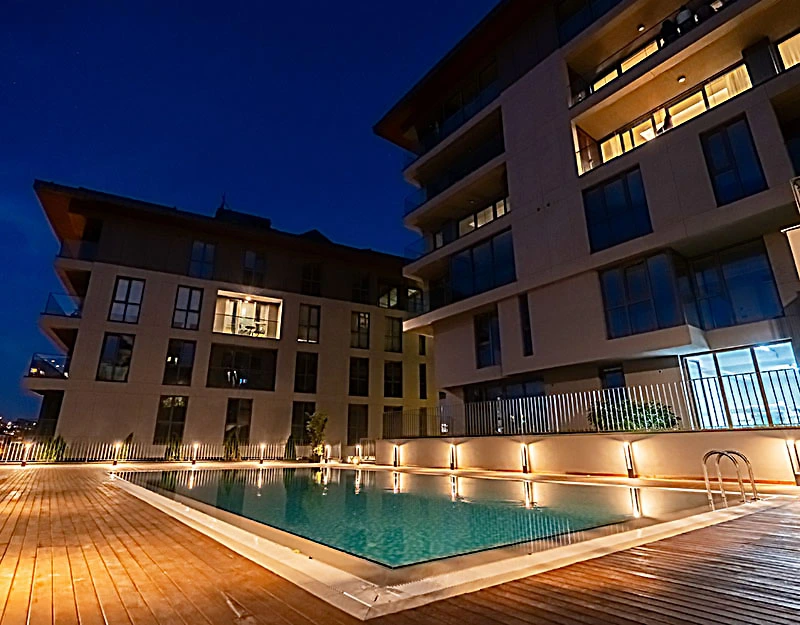
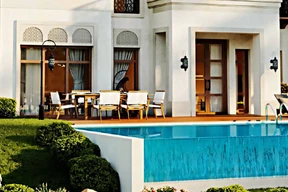
- Skimmer Pool: The most commonly preferred pool type due to its cost-effectiveness and ease of application. Surface water is drawn into the filtration system via skimmer inlets. This method provides safe, practical, and economical solutions for residential projects and medium-scale developments.
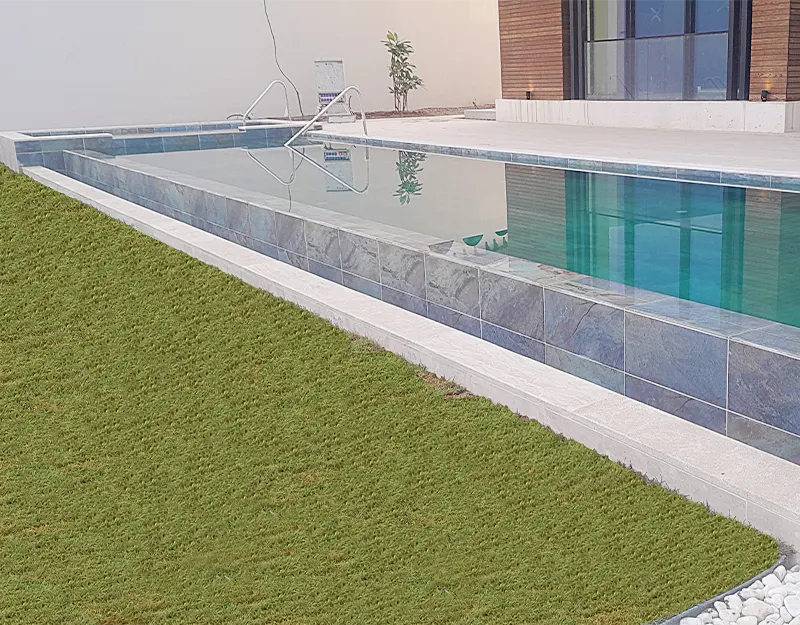
- Overflow Pool: Water on the pool surface flows into balance tanks through overflow channels and is continuously renewed and recirculated. Due to their aesthetic appearance and hygienic advantages, they are widely preferred in hotels, spa centers, and commercial projects. The overflow edge creates a mirror-like visual effect.
- Infinity Pool: Preferred especially in scenic locations, this pool type creates the illusion of water flowing into the horizon. The infinity edge has become a symbol of modern architecture and is commonly used in villas, luxury hotels, and residential projects, combining prestige with functional overflow systems.
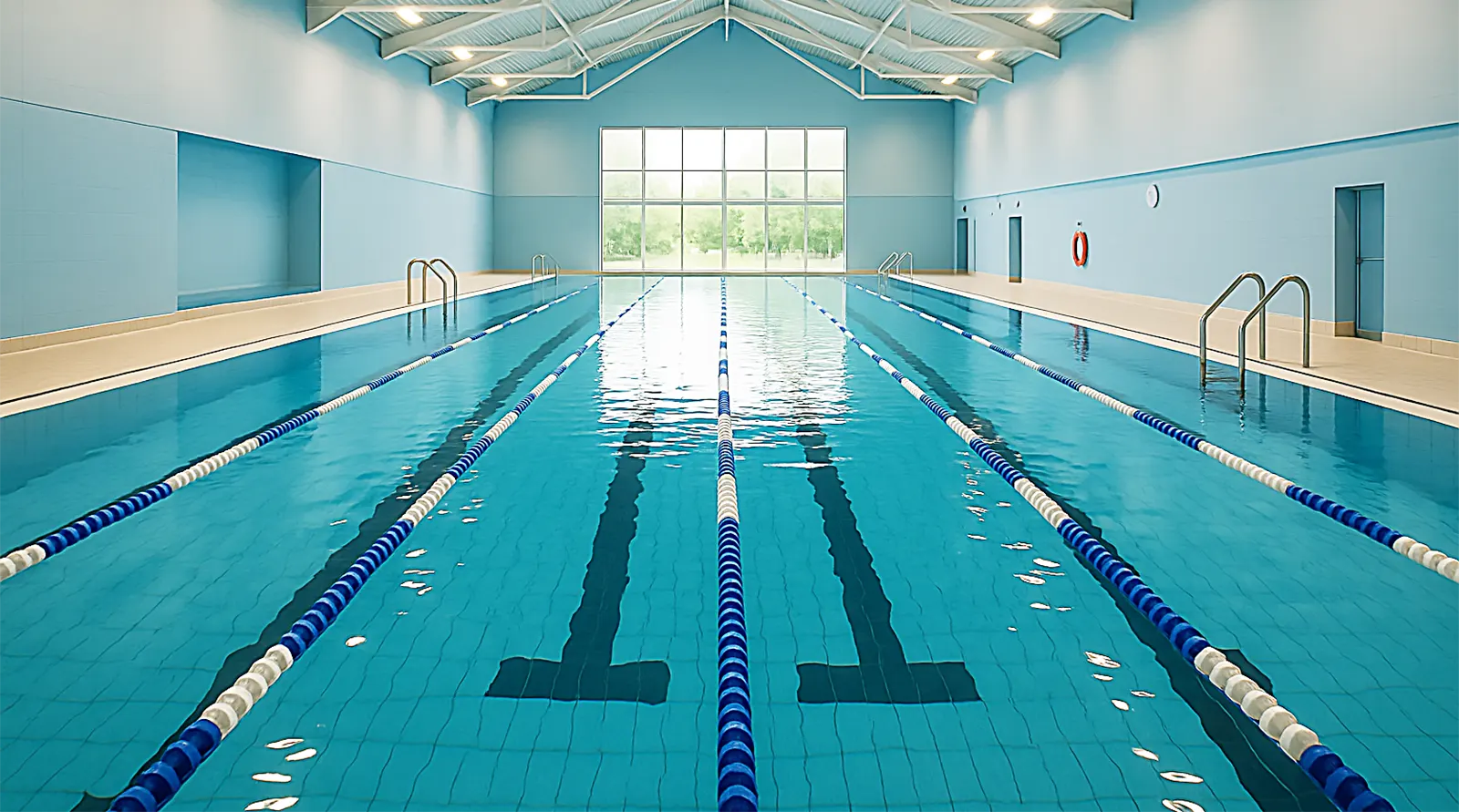
- Indoor Swimming Pool: Built within enclosed spaces, this pool type offers comfortable use throughout all four seasons. Special systems are installed for temperature control in winter and humidity management in summer. Heating, ventilation, and dehumidification units maintain ideal indoor conditions. Widely used in gyms, hotels, health centers, and luxury residences.
- Fiberglass / Liner: Ready-made pool shells or liner coatings manufactured in factories allow for fast installation, offering practical and economical solutions. Low maintenance requirements and durable surfaces make them popular for residential projects, with multiple color and pattern options available.
- Natural-Style (Bio Pool) Pools: Designed to resemble natural ponds, these pools maintain water quality through plant-based filtration or biological treatment systems. Environmentally friendly and visually appealing, they are increasingly popular in villas, boutique hotels, and landscape-oriented projects.
Materials and Systems Used
- High-strength concrete and waterproofing materials: High-performance reinforced concrete and chemically resistant waterproofing systems ensure long-lasting structural integrity and water tightness.
- Energy-efficient pumps and multi-port filtration systems: Low-energy circulation pumps and multifunctional filtration systems reduce operating costs while maintaining consistently high water quality.
- Salt chlorination, automatic chlorination, and pH control units: These systems continuously measure and adjust water chemistry, ensuring proper dosing with minimal user intervention.
- Low-consumption LED lighting and electrical safety equipment: Energy-saving LED lighting provides aesthetic appeal and long service life, while electrical safety devices such as residual current protection systems ensure user safety.
- High-efficiency heat pumps for heating and cooling: Capable of heating or cooling pool water according to climate conditions, heat pumps enable year-round pool use with low operating costs and eco-friendly performance.
- Optional: Counter-current systems, hydromassage, waterfalls, smart automation solutions can be integrated to enhance the overall user experience.
Pool Waterproofing and Safety
Pool waterproofing is a critical factor for ensuring long service life and low operating costs. Proper insulation systems prevent leaks and water loss while preserving structural integrity over many years. High-quality materials and correct application techniques directly affect pool durability and reduce chemical consumption.
Safety is a top priority. Non-slip surface coatings minimize the risk of slipping in wet areas. Residual current protection systems ensure electrical safety, while correctly planned pool depths provide safe use for both adults and children. Emergency ladders, life rings, and warning signs are integral safety components. At Artemis Pool, we adhere to international standards to guarantee health, safety, and long-term satisfaction.
Pool Automation
Pool automation ensures continuous monitoring of water quality and hygiene while significantly reducing energy consumption. Unlike traditional systems that require manual chemical testing, automation systems manage everything through sensors and control panels.
With a properly designed automation system, chlorine and pH levels are measured in real time and automatically adjusted. Filtration pumps, lighting, and heating systems operate via optimized schedules, preventing unnecessary energy use.
Automation also enhances user experience. Through smart control panels or mobile applications, pool owners can remotely monitor and manage their pool from anywhere in the world, receiving alerts and performance reports including water level, temperature, conductivity, and chemical balance.
As a result, pool automation has become an essential standard in both private villas and commercial facilities such as hotels, residential complexes, and sports centers.
Automatic Chlorination & pH Control: Continuously measures water chemistry and applies precise dosing when required.
Filtration Timers: Automatic operation during optimal time periods.
Lighting & Heating Control: Remote management via control panels or mobile applications.
Sensor-Based Monitoring: Real-time tracking of water level, temperature, conductivity, and chemical balance ensures consistent water quality and safety.
Pool Automation Details
Cost and Timeline
Depending on project scale, design details, and selected systems, swimming pool construction is generally completed within 8–12 weeks. This period includes reinforced concrete works, waterproofing, mechanical and electrical installations, and finishing stages.
Total cost varies based on pool dimensions, selected finishes, mechanical equipment, and optional features such as counter-current systems, automation, or hydromassage. After a free site inspection, we provide a clear, detailed, and transparent price proposal tailored to your needs.